
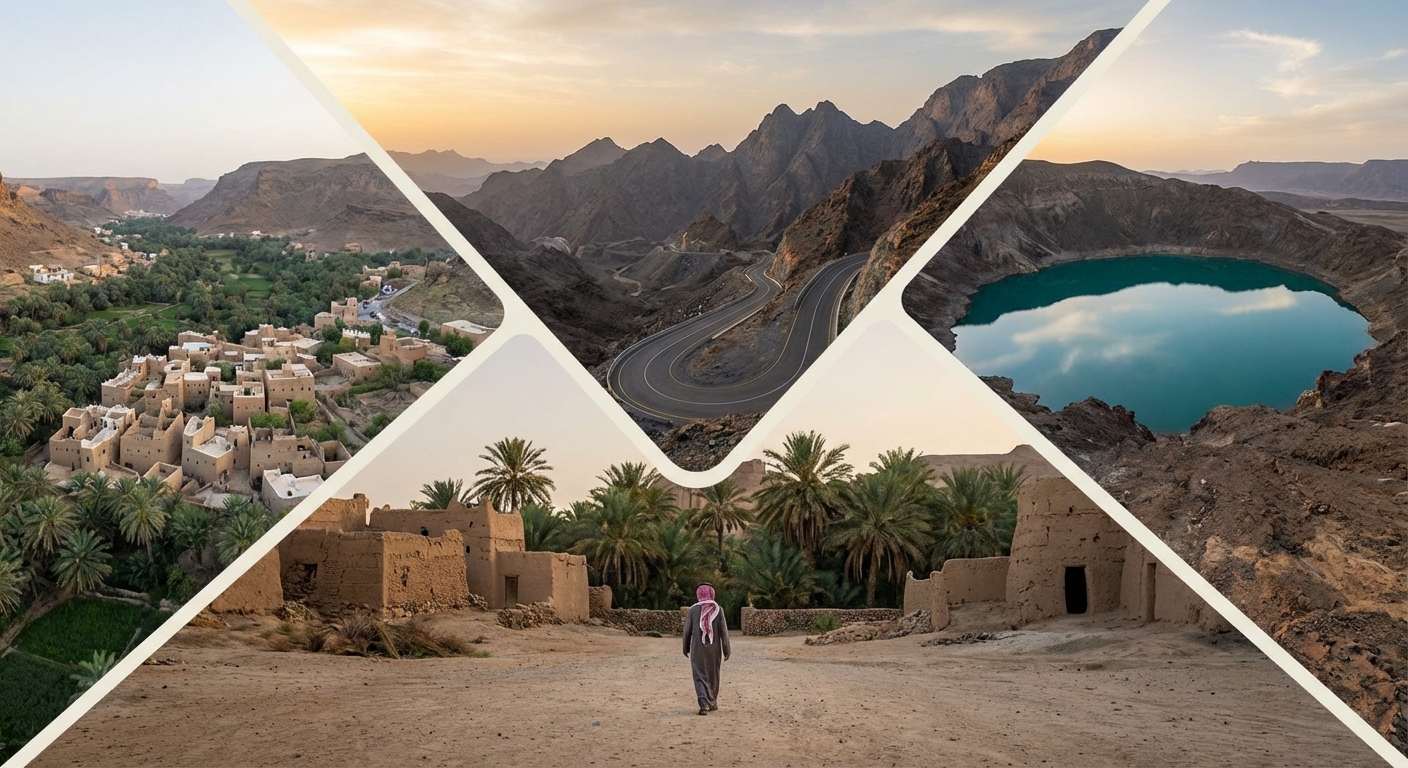
Saudi Arabia has opened its doors to international travelers, but most visitors stick to the same handful of popular sites. They miss the volcanic craters, forgotten villages, and turquoise coastlines that locals have cherished for generations.
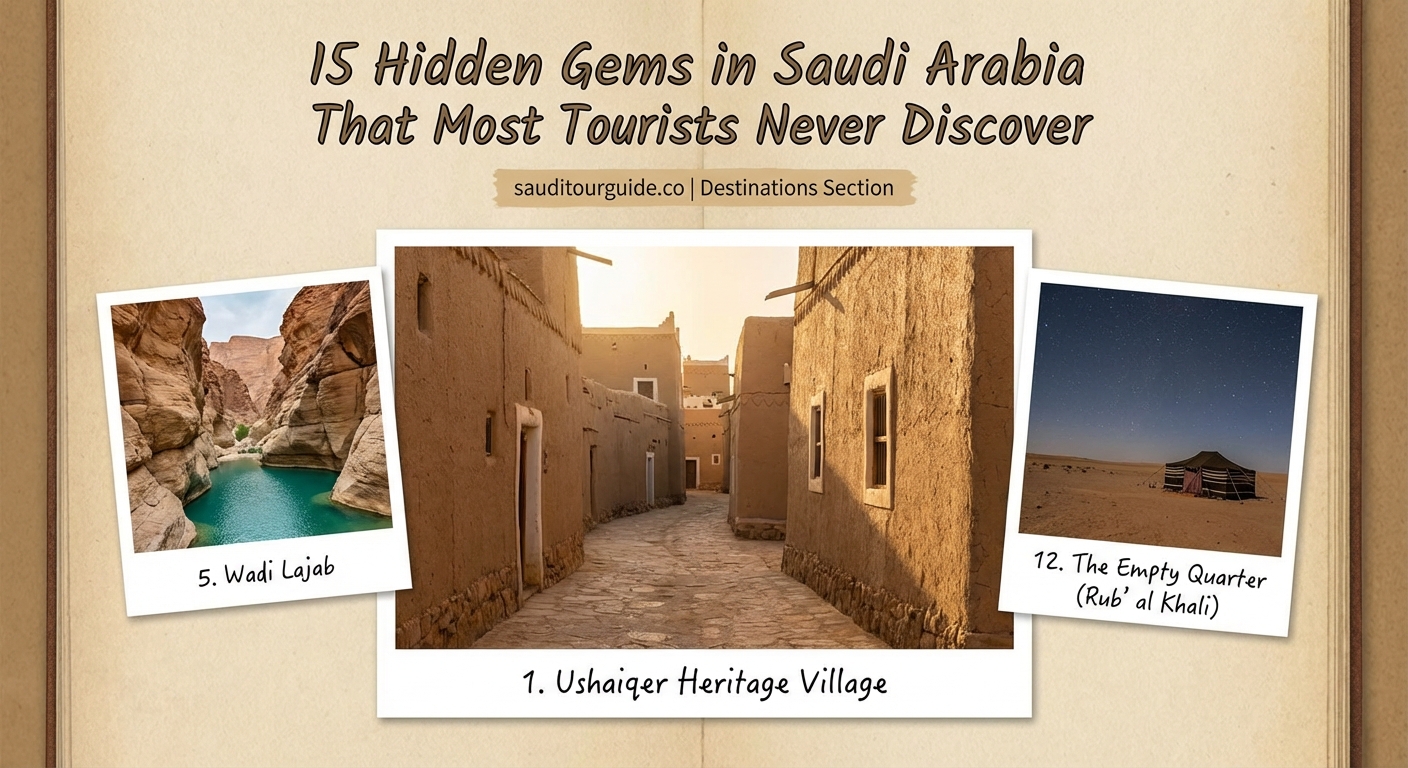
Saudi Arabia’s hidden gems stretch from the Red Sea islands teeming with marine life to desert canyons carved by ancient rivers. These fifteen destinations offer adventure seekers authentic cultural encounters, dramatic landscapes, and historical sites without the tourist crowds. Most require advance planning, proper permits, and local guides, but reward travelers with experiences impossible to find anywhere else on earth.
Al Disah Valley Reveals Jordan’s Twin
Towering sandstone cliffs frame this valley in the Tabuk region, creating a landscape that rivals Wadi Rum. Palm groves and natural springs dot the canyon floor, fed by underground water sources that have sustained Bedouin communities for centuries.
The valley stretches for several kilometers, with rock formations that change color throughout the day. Morning light paints them gold and amber, while sunset transforms them into deep crimson.
You’ll need a 4×4 vehicle to reach the valley entrance. The dirt road from Tabuk takes about two hours, passing through desert terrain that gradually gives way to dramatic rock walls.
Local guides offer overnight camping experiences. You’ll sleep under stars so bright they cast shadows, wake to the sound of birds in the palm trees, and enjoy traditional coffee prepared over an open fire.
Farasan Islands Protect Marine Treasures
This archipelago in the Red Sea remains largely unknown to international tourists. The islands shelter some of the world’s most pristine coral reefs, plus populations of endangered dugongs and sea turtles.
The main island features Ottoman-era buildings constructed from coral stone. These structures showcase architectural techniques adapted to the tropical climate, with high ceilings and wind towers that create natural ventilation.
Getting there requires a ferry from Jizan, which runs several times weekly. The journey takes about three hours across waters where dolphins often swim alongside the boat.
Snorkeling and diving here surpass many famous Red Sea destinations. The reefs remain healthy and vibrant, with visibility often exceeding 30 meters. You’ll spot manta rays, reef sharks, and hundreds of tropical fish species.
Bird watchers flock here during migration seasons. The islands serve as a crucial stopover for species traveling between Africa and Asia.
Rijal Almaa Stands Frozen in Time
This mountain village in the Asir region showcases traditional architecture that has survived for over 900 years. Multi-story buildings rise from the hillside, constructed from stone and decorated with white quartz bands that create striking geometric patterns.
The village now operates as a living museum. Local families maintain their ancestral homes and demonstrate traditional crafts like basket weaving and pottery.
Each building features a unique design, but all share common elements adapted to the mountain climate. Ground floors housed livestock, middle floors served as living quarters, and top floors stored grain and dried foods.
The village museum displays artifacts spanning centuries of daily life. You’ll see traditional clothing, farming tools, jewelry, and household items that tell the story of mountain communities adapting to harsh conditions.
Visit during the flower season (March through May) when the surrounding terraced farms burst into bloom. The contrast between ancient stone buildings and vibrant wildflowers creates unforgettable photo opportunities.
Jubbah Rock Art Preserves 10,000 Years of History
UNESCO recognizes this site for rock carvings and inscriptions that span multiple civilizations. The artwork depicts hunting scenes, domesticated animals, and human figures that document the region’s transformation from savanna to desert.
The carvings cluster around what was once a large lake. Ancient peoples gathered here when the Arabian Peninsula received far more rainfall than today.
Some images show animals that no longer exist in Arabia. Lions, cheetahs, and oryx appear alongside extinct species, providing evidence of dramatic climate change.
You’ll find the site near the town of Jubbah in the Hail region. A small museum at the entrance provides context and explains the different artistic periods represented.
The best time to photograph the carvings is early morning or late afternoon. Angled sunlight makes the images stand out more clearly against the rock face.
Wadi Lajab Offers Canyon Adventures
This narrow gorge in the Jizan region features rushing water year-round, fed by mountain springs that create waterfalls and pools. The canyon walls rise over 200 meters, creating a cool microclimate even during summer.
The wadi requires wading through knee-deep water in some sections. Wear appropriate footwear and bring waterproof bags for your electronics and valuables.
Local guides lead groups through the canyon, pointing out geological features and explaining how seasonal floods have carved the landscape. The journey takes about three hours round trip.
Swimming is possible in several deep pools. The water stays refreshingly cold, filtered through layers of rock that remove impurities.
Families with children can enjoy the first section without committing to the full trek. The entrance area features shallow pools and picnic spots under shade trees.
Ushaiger Heritage Village Welcomes Explorers
This restored settlement in the Najd region demonstrates traditional central Arabian architecture. Mud-brick buildings cluster along narrow alleys designed to provide shade and channel cooling breezes.
The village served as an important stop on pilgrimage routes. Wealthy merchants built elaborate homes here, featuring decorated doorways and private courtyards.
Several buildings now operate as small museums. You can see traditional Najdi furnishings, kitchen equipment, and the ingenious ventilation systems that made desert life bearable.
The village hosts cultural festivals throughout the year. These events feature traditional music, poetry, and demonstrations of crafts like coffee roasting and date preparation.
A local cafe serves authentic Najdi cuisine. Try the jareesh (crushed wheat porridge) and mathlotha (sweet dumplings) prepared using recipes passed down through generations.
Marble Village Gleams in Mountain Light
Al Habala village clings to a cliff face in the Asir region, accessible originally only by rope ladders. The nickname comes from the white stone used in construction, which reflects sunlight like polished marble.
The village was abandoned in the 1980s when residents moved to more accessible locations. Recent restoration efforts have preserved the unique hanging architecture.
A cable car now provides access, descending the cliff face to reach the village entrance. The ride offers vertigo-inducing views of the valley below.
Walking through the village feels like stepping into another era. Stone houses perch on narrow ledges, connected by steep pathways carved into the rock.
The surrounding area offers excellent hiking. Trails wind through juniper forests and terraced farms where locals still grow coffee and fruit trees.
Tayma Oasis Guards Ancient Secrets
This oasis town in northwestern Saudi Arabia contains archaeological sites spanning thousands of years. The most famous is a massive carved stone basin called Bir Haddaj, which still holds water.
Cuneiform inscriptions found here mention Tayma in Babylonian records. The town served as a regional capital under King Nabonidus in the 6th century BCE.
The old town features traditional architecture built from local stone. Many buildings remain inhabited, creating a living connection to the past.
A modern museum showcases artifacts discovered in the area. The collection includes pottery, tools, jewelry, and inscriptions in multiple ancient languages.
The surrounding desert contains rock art sites and ancient tombs. Guided tours can arrange visits to these locations with proper permits.
Al Wahbah Crater Creates Desert Wonder
This volcanic crater measures 2 kilometers across and 250 meters deep. The floor contains salt deposits that create a brilliant white surface, contrasting sharply with the dark volcanic rim.
The crater formed thousands of years ago through volcanic activity. Geologists believe a magma chamber collapsed, creating the distinctive circular depression.
Hiking to the crater floor takes about 45 minutes down a steep trail. The climb back up requires good fitness, especially during warmer months.
The salt crystals at the bottom create otherworldly patterns. After rare rainfalls, a temporary lake forms, attracting migrating birds.
Visit during cooler months (November through February) for the most comfortable experience. Summer temperatures on the crater floor can exceed 45°C.
Dumat Al Jandal Bridges Civilizations
This ancient city in the Al Jouf region features ruins spanning from Nabataean times through the Islamic era. The most prominent structure is Marid Castle, built from local stone and standing guard over the oasis for over 2,000 years.
The adjacent Omar Mosque dates to the early Islamic period. Its distinctive leaning minaret has survived earthquakes and wars, though experts debate why it tilts.
The old town surrounds these monuments, with traditional houses built from mud brick and palm wood. Many families still occupy these homes, maintaining traditional lifestyles.
An ancient lake once covered the area. Archaeological evidence shows human settlement here for over 10,000 years, making it one of Arabia’s oldest continuously inhabited locations.
The nearby Rajajil standing stones predate Stonehenge. These mysterious pillars stand in groups across the desert, their purpose still debated by archaeologists.
Harrat Khaybar Showcases Volcanic Landscapes
This volcanic field covers over 14,000 square kilometers with lava flows, cinder cones, and crater formations. Some eruptions occurred as recently as 1,000 years ago, creating landscapes that look almost lunar.
The area contains hundreds of volcanic features. White and black lava flows create striking color contrasts, while collapsed lava tubes form caves and tunnels.
Exploring requires a capable 4×4 vehicle and preferably a local guide. The terrain is rough, and many interesting features lie far from paved roads.
One highlight is a massive crater with a white salt flat at its base. The surrounding black volcanic rock makes the white center appear to glow.
Scientists study this region to understand volcanic processes. The relatively young lava flows preserve features that erosion has destroyed in older volcanic fields.
Khaybar Oasis Remembers Forgotten Empires
This historic oasis in the Medina region contains ruins from multiple civilizations. Ancient fortresses crown rocky outcrops, while abandoned villages showcase traditional architecture adapted to the harsh climate.
The oasis supported agriculture for thousands of years. Date palm groves and vegetable gardens still flourish, fed by underground springs.
Jewish communities lived here before the Islamic era. Archaeological sites preserve synagogues, houses, and fortifications from this period.
The fortress ruins offer panoramic views of the oasis and surrounding lava fields. Climbing to these vantage points requires sturdy footwear and caution on loose rocks.
Local guides share stories passed down through generations. They can point out specific buildings and explain their historical significance.
Yanbu Al Bahr Preserves Maritime Heritage
Beyond the modern industrial city lies Yanbu Al Bahr, the historic waterfront district. Ottoman-era buildings line narrow streets, while traditional wooden boats still dock at the ancient harbor.
The area served as a major port for pilgrims arriving by sea. Caravanserais provided accommodation, while souks supplied provisions for the journey inland.
Several historic houses now operate as museums. They display traditional furnishings, navigation equipment, and artifacts from the pearl diving industry.
The coral reefs offshore rival those of more famous Red Sea destinations. Diving and snorkeling trips depart daily, accessing sites where you might be the only visitors.
The fish market operates early each morning. Fishermen sell their overnight catches, including species found nowhere else in the world.
Najran Valley Blends Cultures
This southern region borders Yemen, creating a unique cultural blend. The architecture, cuisine, and traditions differ noticeably from central Arabia.
Al Ukhdood archaeological site contains ruins of a pre-Islamic city. Excavations have revealed sophisticated irrigation systems and evidence of trade with distant civilizations.
The valley’s mud-brick fortresses demonstrate defensive architecture adapted to the mountainous terrain. Some date back over 500 years and remain partially inhabited.
Traditional souks sell handicrafts unique to the region. Look for silver jewelry, woven textiles, and pottery using techniques unchanged for centuries.
The surrounding mountains offer excellent hiking. Trails pass through terraced farms growing coffee, pomegranates, and other crops suited to the elevation.
Heet Cave Hides Underground Lake
This massive cave system near Riyadh features an underground lake fed by an aquifer. The main chamber measures over 100 meters across, with a ceiling that rises 30 meters overhead.
The cave entrance appears as a sinkhole in the desert floor. Stone steps lead down to the water’s edge, where the temperature drops noticeably.
The lake’s depth remains unknown. Divers have explored portions of the underwater cave system, but many passages remain unmapped.
Local legends surround the cave. Some stories claim it connects to distant oases through underground rivers.
Access requires advance permission and coordination with local authorities. The site is protected to preserve its unique ecosystem.
Planning Your Hidden Gems Journey
Successfully visiting these remote destinations requires more preparation than typical tourist trips. Here’s how to approach it:
- Research visa requirements and obtain necessary permits well in advance of your trip.
- Hire local guides for remote locations, especially those requiring off-road driving or navigation through unmarked terrain.
- Plan visits during appropriate seasons to avoid extreme temperatures that can make some locations dangerous.
- Arrange reliable transportation, preferably 4×4 vehicles for desert and mountain destinations.
- Pack appropriate supplies including extra water, sun protection, and emergency communication devices.
Essential Considerations for Remote Travel
Different hidden gems present unique challenges. This table helps you match destinations to your capabilities:
| Destination Type | Physical Demand | Best Season | Guide Recommended |
|---|---|---|---|
| Desert canyons | Moderate to high | October to March | Yes |
| Mountain villages | Low to moderate | Year-round (elevation dependent) | Optional |
| Island locations | Low | October to May | For diving only |
| Archaeological sites | Low | October to April | Helpful but optional |
| Volcanic fields | Moderate | November to February | Strongly recommended |
What to Pack Beyond the Basics
Remote Saudi destinations often lack facilities you might take for granted:
- Offline maps downloaded to your phone or GPS device
- Portable phone chargers and backup batteries
- First aid kit with supplies for cuts, burns, and dehydration
- Modest clothing that covers shoulders and knees
- Cash in small denominations (many remote areas lack ATMs)
- Reusable water bottles with filtration capability
- Sun protection including hat, sunglasses, and high-SPF sunscreen
A local guide once told me that the best hidden gems in Saudi Arabia reveal themselves to those who show patience and respect. Rush through, and you’ll see rocks and sand. Slow down, listen to the stories, and you’ll understand why people have treasured these places for thousands of years.
Common Mistakes That Ruin Hidden Gem Visits
Many travelers underestimate the challenges of visiting remote Saudi locations. Avoid these errors:
- Visiting during summer months when temperatures exceed safe limits for outdoor activities
- Relying solely on phone GPS in areas without cellular coverage
- Underestimating driving distances and fuel requirements between remote sites
- Wearing inappropriate footwear for rocky or sandy terrain
- Failing to inform someone of your itinerary when visiting isolated areas
- Ignoring local customs regarding photography and interaction with residents
Combining Multiple Hidden Gems
Several of these destinations cluster in specific regions, allowing efficient multi-day itineraries:
Northern Circuit: Combine Dumat Al Jandal, Tayma, and Jubbah rock art in a three-day trip from Tabuk or Hail.
Asir Mountain Loop: Visit Rijal Almaa, Marble Village, and surrounding mountain attractions in four to five days based from Abha.
Red Sea Island Hopping: Farasan Islands and Yanbu Al Bahr work well together for a week-long coastal adventure.
Volcanic Exploration: Harrat Khaybar and Al Wahbah Crater can be combined in a challenging three-day desert expedition.
Photography Tips for Dramatic Landscapes
These hidden gems offer incredible photo opportunities if you time them correctly:
- Arrive at canyon and mountain locations during golden hour (first hour after sunrise or last hour before sunset)
- Use polarizing filters to enhance the contrast in desert skies and reduce glare from sand and rock
- Bring a tripod for long exposures in caves and narrow canyons where light levels drop
- Photograph architectural details in heritage villages during midday when harsh light emphasizes textures
- Respect local customs by always asking permission before photographing people
Respecting Sacred and Sensitive Sites
Some hidden gems hold religious or cultural significance for local communities:
- Archaeological sites are protected by law. Never remove artifacts or climb on fragile structures.
- Historic villages often house families maintaining traditional lifestyles. Treat their homes with the same respect you’d want for your own.
- Some areas restrict access during prayer times or religious observances. Plan accordingly and accept these limitations gracefully.
- Rock art sites preserve irreplaceable historical records. Never touch the carvings or add your own marks.
Where Your Adventure Really Begins
These fifteen locations represent just a fraction of Saudi Arabia’s undiscovered treasures. Each region holds additional sites that few outsiders have visited.
The country’s tourism infrastructure continues expanding, but these hidden gems reward those who venture beyond the comfortable and familiar. You’ll return with stories your friends haven’t heard and photos they haven’t seen.
Start with one or two destinations that match your interests and fitness level. Learn from that experience, then plan a more ambitious journey. The hidden gems of Saudi Arabia aren’t going anywhere, but they won’t stay hidden forever.