
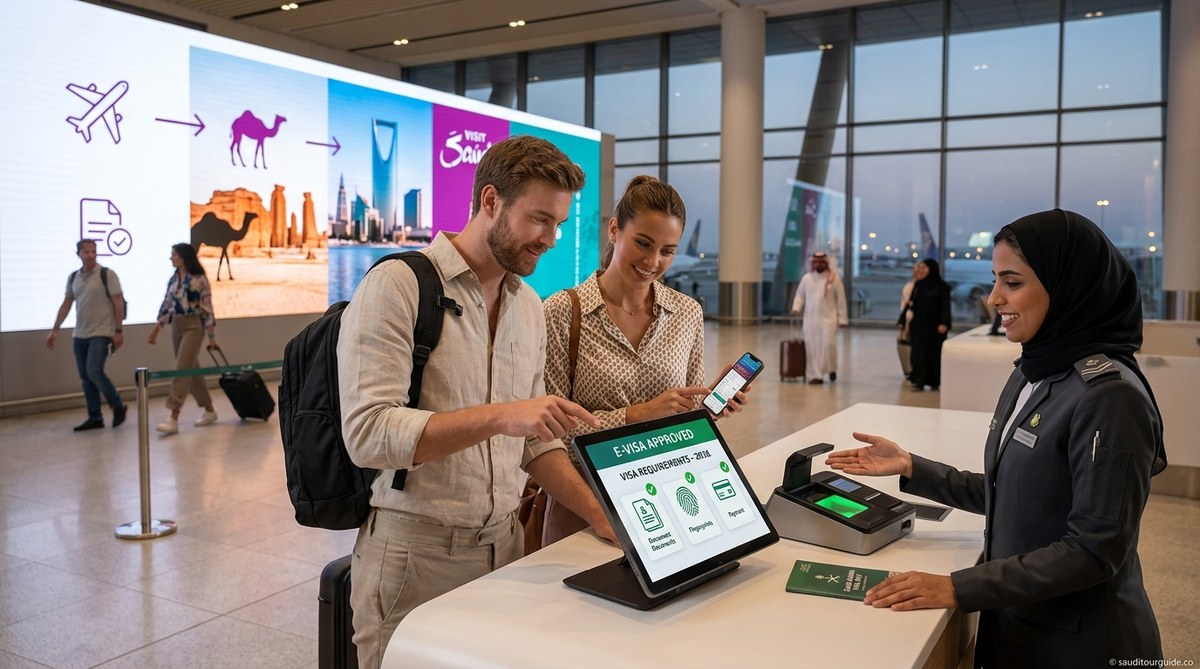
Traveling to Saudi Arabia in 2026 offers exciting opportunities to discover its rich history, stunning landscapes, and vibrant culture. But navigating the country’s visa policies can seem complex, especially with ongoing reforms and new regulations. Whether you’re a tourist, pilgrim, expatriate, or business traveler, understanding the latest visa requirements is essential to ensure a smooth journey. This guide breaks down everything you need to know about Saudi Arabia visa policies in 2026, helping you plan your trip confidently and hassle-free.
Saudi Arabia’s visa policies in 2026 are more traveler-friendly than ever, with expanded eVisa options, simplified application processes, and clear guidelines. Staying informed and following the latest requirements will help you enjoy all the Kingdom has to offer without delays or surprises.
Understanding the Core Changes in Saudi Arabia Visa Policies 2026
Saudi Arabia continues to open up to international visitors under its Vision 2030 plan, making travel more accessible. The country has introduced new visa categories, enhanced digital application systems, and eased restrictions for many nationalities. In 2026, the key focus remains on streamlining entry processes while maintaining security and cultural standards.
Some notable updates include the expansion of eVisa eligibility, new visas for business and tourism, and specific rules for pilgrims. Additionally, the country has implemented measures to ensure visitor safety and convenience, aligning with its goal of becoming a global tourism hub.
Types of Visas Available in 2026
Saudi Arabia offers various visa options tailored to different travelers’ needs. Here are the main categories:
- Tourist eVisa: Valid for leisure visitors from eligible countries, allowing stays up to 90 days.
- Visa on Arrival (VOA): Some nationalities can obtain a visa upon landing at select airports or border crossings.
- Business Visa: For entrepreneurs, investors, and professionals attending meetings or conferences.
- Hajj and Umrah Visas: Special permits for religious pilgrimages, with specific regulations.
- Work Visa: For expatriates moving to Saudi for employment, requiring sponsorship.
- Student Visa: For international students accepted at Saudi educational institutions.
- Transit Visa: Short-term entry for layovers exceeding 12 hours.
- Residency Permits (Iqama): For those planning long-term residence, including the new premium residency options.
Understanding these categories helps you determine which visa applies to your trip and guides you through the application process.
How To Navigate Saudi Visa Policies in 2026
Getting your visa approved in 2026 involves a few straightforward steps. Here’s a practical approach:
-
Identify Your Visa Type
Determine which visa category suits your purpose of visit. Check eligibility criteria for your nationality on the official Saudi Arabia eVisa portal. -
Gather Required Documents
Common documents include a valid passport (with at least six months’ validity), recent passport-sized photos, proof of accommodation, travel itinerary, and sometimes medical insurance. For work or long-term visas, additional paperwork like sponsorship letters and employment contracts are necessary. -
Complete the Application Online
Most visas, especially tourist and business visas, are now processed digitally. Fill out the application form carefully, upload the necessary documents, and pay the applicable fees. Always double-check your information for accuracy. -
Follow Up and Receive Approval
After submission, processing times vary but are generally faster than in previous years. Once approved, you will receive an electronic visa or a confirmation to pick up a physical one at a consulate or upon arrival if eligible. -
Prepare for Entry
Ensure you have all documents handy during travel. Be aware of specific entry rules, such as health screening requirements or regional restrictions, which can change based on the current health situation or security alerts.
Expert tip: Always verify the latest visa policies in advance of your trip by consulting official government sources or trusted travel agencies. Regulations can change unexpectedly, and staying informed ensures a smooth entry process.
Practical Tips for a Seamless Visa Experience
- Apply Early: Start your visa application at least four to six weeks before your planned departure. This buffer accounts for any delays or additional document requests.
- Check Eligibility: Not all nationalities qualify for eVisas or visas on arrival. Review the list of eligible countries on the official Saudi visa website and plan accordingly.
- Use Official Channels: Avoid third-party agents unless they are authorized. Applying through official portals reduces the risk of fraud or rejection.
- Understand Regional Restrictions: Certain areas in Saudi may have specific entry rules or additional permits, especially for border regions or special economic zones.
- Prepare for Cultural Norms: Saudi Arabia maintains conservative dress and conduct standards. Familiarize yourself with local customs to avoid misunderstandings at entry points.
Common Pitfalls and How to Avoid Them
| Mistake | How to Prevent It | Impact |
|---|---|---|
| Submitting incomplete documents | Double-check requirements on official websites | Visa rejection or delays |
| Applying too late | Start early to allow processing time | Missed travel plans |
| Using unofficial sources | Only apply through authorized portals | Risk of scams and rejection |
| Ignoring regional restrictions | Research specific zone rules | Entry refusal or need for additional permits |
| Overlooking health requirements | Verify latest health screening and vaccination rules | Denial at border or quarantine issues |
Pro advice: Always keep digital and physical copies of your visa, passport, and travel documents. These can save time if asked for during immigration checks.
Special Considerations for Pilgrims and Religious Travelers
Hajj and Umrah visas have specific regulations that must be followed carefully. In 2026, the Saudi government continues to regulate pilgrimage visas tightly to ensure safety and order. Pilgrims should:
- Book through authorized travel agencies.
- Ensure their visas are for the correct pilgrimage type.
- Respect the guidelines regarding travel dates and permitted locations.
- Be aware of quarantine or health screening policies, especially during peak pilgrimage seasons.
For pilgrims, it’s wise to familiarize yourself with the detailed procedures by visiting the official Ministry of Hajj and Umrah website.
The Future of Saudi Visa Policies in 2026
Saudi Arabia’s visa landscape is set to become even more accessible in the coming years. The government is investing in digital infrastructure, simplifying processes, and expanding visa reciprocity agreements. The goal is to attract more tourists, entrepreneurs, and residents to experience the Kingdom’s diverse offerings.
Changes such as the introduction of multiple-entry visas, extended stay options, and enhanced biometric systems are likely to continue. Staying updated through official channels ensures you won’t miss out on the latest opportunities.
Final Words for Wise Travelers
Visiting Saudi Arabia in 2026 can be an enriching experience filled with history, culture, and adventure. By understanding the current visa policies and preparing accordingly, you can avoid unnecessary hurdles. Always check the latest regulations before planning your trip and use official resources for your application. With a little planning, your journey to this captivating land will be smooth, rewarding, and memorable.
Remember, staying informed and respectful of local customs makes all the difference. Now, go ahead and start your adventure with confidence, knowing you’re well-prepared to navigate Saudi Arabia’s evolving visa landscape in 2026.