
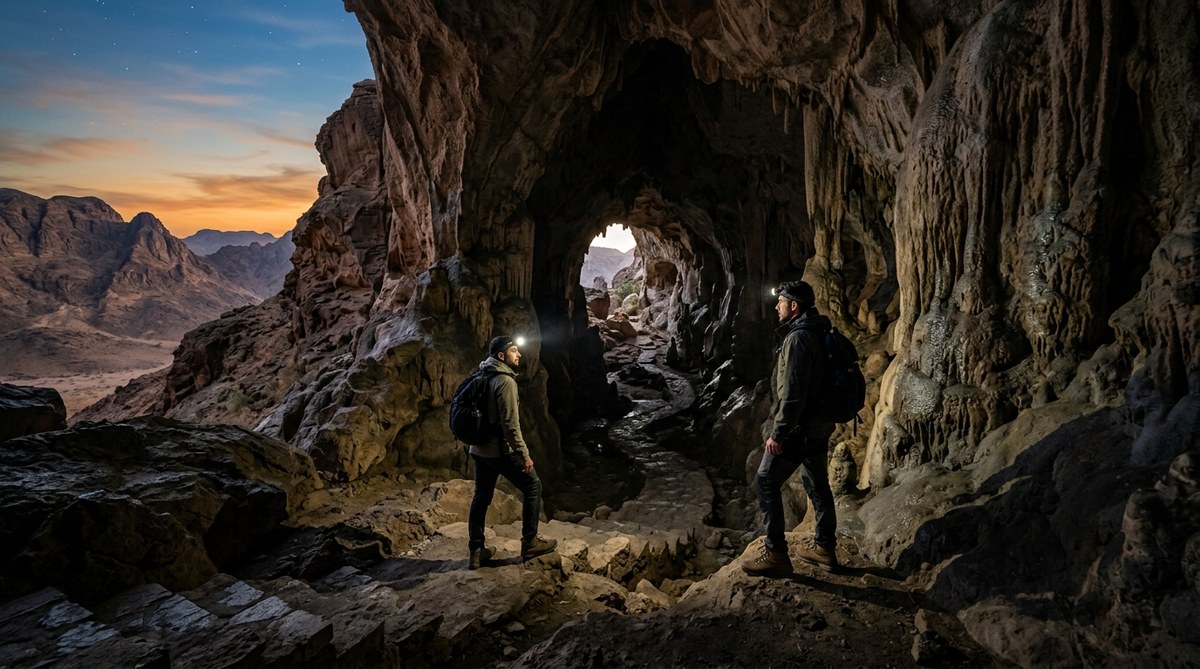
If your idea of Saudi Arabia is endless dunes and towering skyscrapers, you are in for a surprise. Beneath the desert surface lies a network of limestone caverns, lava tubes, and water-filled sinkholes that few travelers know about. These caves offer a cool escape from the heat and a chance to see geology that has been forming for millions of years. Whether you want to swim in an underground lake or walk through a volcanic tube, this guide will help you plan your visit with confidence.
Saudi Arabia’s caves range from easy walk-in chambers to challenging vertical descents. Most require a 4×4 vehicle, a valid tourist visa, and proper lighting. Winter and spring are the best seasons to go. Always carry extra water, a first-aid kit, and tell someone your plan before heading into remote areas. Guided tours are available for the most popular caves like Heet Cave and Dahl Hith.
Why Saudi Arabia’s Caves Deserve Your Attention
Saudi Arabia is home to over 1,000 documented caves, and many remain unexplored by the public. The most famous is Heet Cave (Dahl Heet) , a vertical sinkhole on the outskirts of Riyadh that drops 100 meters down to a turquoise lake. It is one of the few places in the country where you can swim or even scuba dive in a natural underground pool. Another standout is Dahl Hith, a vast limestone chamber with crystal-clear water and stunning stalactites.
For those who prefer dry caves, the Harrat Khaybar lava tubes in the north offer a glimpse into ancient volcanic activity. You can walk through tunnels formed by molten rock thousands of years ago. Some caves in the Asir region are tucked into green mountainsides, offering a completely different landscape from the typical desert scene. If you want to discover 15 hidden gems in Saudi Arabia that most tourists never discover, put these caves at the top of your list.
Caving in Saudi Arabia is not just about the thrill. It is also a way to connect with the country’s natural history. Many caves contain fossilized shells from when the Arabian Peninsula was underwater, and some have been used by humans for shelter since prehistoric times.
What You Need to Know Before You Go
Best Time to Visit
The coolest months are from November through March. Daytime temperatures in the desert can still reach the 80s Fahrenheit, but inside the caves it stays much cooler. Summer visits are possible only for the deepest caves that maintain a stable temperature, but the surface heat makes the approach dangerous. Plan your trip between December and February for the most comfortable conditions.
Getting There
Most caves are located at least an hour’s drive from the nearest city. A 4×4 vehicle is essential for the unpaved tracks leading to cave entrances. You can rent a car from major rental agencies in Riyadh, Jeddah, or Dammam. Check out our complete guide on renting a car in Saudi Arabia for tips on insurance and GPS navigation. Alternatively, you can book a guided tour that includes transport.
Permits and Visas
International tourists need a valid Saudi tourist visa or an e-visa. The process is straightforward and can be completed online. See our step-by-step instructions for how to apply for your Saudi Arabia e-visa in under 10 minutes. No special permit is required to visit most caves, but some caves on military land or near sensitive archaeological sites may require advanced permission. Always check with local tourism offices before heading out.
Essential Gear for Cave Exploration
Bringing the right equipment makes the difference between a memorable adventure and a miserable one. Here is what you should pack:
- Headlamp with extra batteries (your phone flashlight is not enough)
- Strong shoes with good grip (hiking boots or approach shoes)
- Helmet (bike helmet works; proper climbing helmet is better)
- Water — at least 2 liters per person for a half-day trip
- First-aid kit with bandages and antiseptic
- Lightweight long pants and long sleeves to protect from sharp rocks
- Dry bag for electronics and valuables if swimming
- Rope (for vertical caves like Heet Cave, unless you are on a guided descent)
For a full packing list that covers the entire trip, read our advice on what to pack for Saudi Arabia.
How to Plan Your Cave Trip in 5 Steps
- Choose your cave. Decide whether you want a wet cave (swimming) or a dry one. Heet Cave requires a rope descent and swimming. Dahl Hith is more accessible with a staircase to the water. Harrat Khaybar lava tubes are horizontal and easy to walk through.
- Check the weather forecast. Avoid flash flood risks by not visiting after heavy rain. Even a dry wadi can fill with water within minutes.
- Arrange transport. Book a 4×4 rental or join a tour group. Many tour operators in Riyadh offer half-day trips to Heet Cave.
- Pack your gear. Use the checklist above. Test your headlamp before leaving.
- Tell someone your plan. Share your location and expected return time with a friend or hotel staff. Cell service disappears quickly once you leave the highway.
Common Mistakes First-Time Cave Visitors Make
| Mistake | Why It Is Risky | How to Avoid |
|---|---|---|
| Wearing sandals or flip-flops | Sharp rocks and slippery surfaces cause cuts and twisted ankles | Wear sturdy closed-toe shoes with good traction |
| Taking only a smartphone light | Brightness is weak and battery drains fast | Bring a proper headlamp and spare batteries |
| Going alone without experience | You can get lost or injured with no help | Go with a group or hire a local guide |
| Underestimating the descent | Vertical caves require technical skills | Start with easy caves; practice rope work first |
| Not carrying enough water | Dehydration can hit quickly, especially after swimming | Pack at least 3 liters for a full day |
Expert Tip from a Local Guide
“Many visitors think they can just walk into Heet Cave in sneakers. They don’t realize the limestone is like glass when wet. I always tell people to bring a helmet even if they think they are careful. One slip and you hit your head on a stalactite. Also, please do not touch the formations. They take centuries to grow, and one bad handprint can damage them forever.” — Ahmed Al Mutairi, Saudi Caving Guide, based in Riyadh
More Hidden Adventures to Add to Your Itinerary
Caving pairs well with other off-the-beaten-path experiences in Saudi Arabia. If you are based in Riyadh, consider a day trip to the Edge of the World, where the Tuwaiq escarpment drops dramatically to the valley below. See our complete guide on is hiking the Edge of the World worth the hype to decide if it fits your plans.
For a change of scenery, head to the green highlands of Asir. The cool air and terraced mountains provide excellent hiking and camping opportunities. Our article on mountain adventures in Asir will show you where to go.
And if you are planning a longer road trip, include the ancient lava tubes near Harrat Khaybar. They are close to AlUla, a region filled with Nabataean tombs and vast desert landscapes. You can combine caving with visits to AlUla’s heritage sites in a single week. Check out the ultimate 7-day itinerary combining Riyadh, AlUla, and the Edge of the World for a complete plan.
Your Saudi Cave Adventure Awaits
Caving in Saudi Arabia gives you a rare chance to see the country from the inside out. These hidden chambers hold ancient waters, stunning rock formations, and a sense of peace you cannot find in the cities. With the right preparation and respect for the environment, you can safely enjoy these underground wonders. Start by getting your visa sorted, then pick one cave to begin with. Each descent will leave you eager to find the next one.