
Walking through Al-Balad feels like stepping into a living museum where coral stone buildings tower above narrow alleyways and the scent of frankincense drifts from wooden doorways. This UNESCO World Heritage Site represents the beating heart of old Jeddah, where merchants once traded spices and pilgrims prepared for their journey to Mecca. Today, it stands as one of Saudi Arabia’s most captivating cultural destinations, blending centuries of history with a vibrant modern renaissance.
Al-Balad offers a weekend packed with architectural wonders, traditional souqs, authentic Saudi cuisine, and cultural experiences. This Jeddah Al-Balad guide covers everything from navigating the historic quarter’s maze-like streets to finding the best rooftop cafes, ensuring you maximize your time in this 1,300-year-old district while understanding its significance in Saudi heritage and contemporary tourism.
Understanding Al-Balad’s Historical Significance
Al-Balad served as Jeddah’s commercial center for over seven centuries. Merchants built towering houses from coral stone harvested from the Red Sea, creating distinctive facades with elaborate wooden balconies called rawasheen.
These architectural features weren’t just decorative. The latticed screens allowed women to observe street life while maintaining privacy, and the design created natural ventilation in Jeddah’s humid climate.
The district declined in the mid-20th century as wealthy families moved to modern neighborhoods. Buildings fell into disrepair, and the area gained a reputation for poverty and neglect.
UNESCO recognition in 2014 sparked massive restoration efforts. Today, you’ll find beautifully renovated buildings alongside structures still awaiting preservation, creating a fascinating contrast between past and present.
The area remains home to many working-class families, particularly from Yemen, Somalia, and other Red Sea communities. This living heritage makes Al-Balad more than a museum piece.
Planning Your Weekend Visit
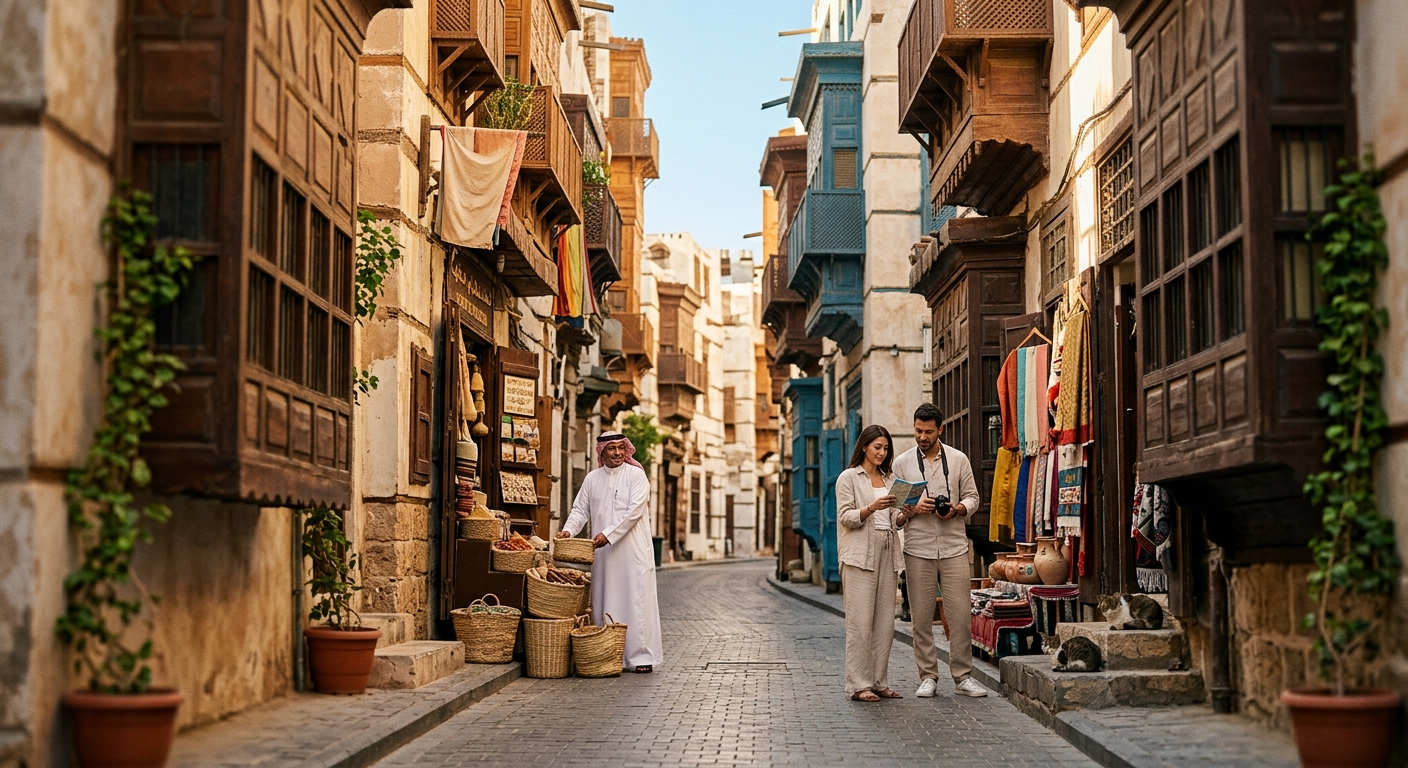
Getting your timing right makes all the difference in Al-Balad. The district comes alive during specific hours, and planning around these rhythms enhances your experience significantly.
Best Times to Visit
Thursday through Saturday works best for tourists. Many shops and cafes operate on extended hours during weekends, and the atmosphere feels more energetic.
Mornings before 10 AM offer cooler temperatures and softer light for photography. The narrow streets remain relatively quiet, perfect for architectural appreciation.
Late afternoons from 4 PM onwards bring crowds but also energy. Families stroll through souqs, street vendors appear, and the district buzzes with activity.
Avoid midday hours between 11 AM and 3 PM during summer months. Temperatures soar, most shops close for afternoon breaks, and the experience becomes uncomfortably hot.
Friday mornings see reduced activity due to prayer times. Plan museum visits or cafe stops during these hours rather than intensive walking.
Entry Requirements and Access
Al-Balad has no entrance fees or formal gates. You simply walk into the district from surrounding modern Jeddah.
Before you travel, ensure you have your Saudi tourist visa sorted. The process for applying for your Saudi Arabia e-visa has become remarkably straightforward for most nationalities.
Parking proves challenging within the historic core. Use the designated lots on the district’s periphery, particularly near Beit Nassif or along Al-Dahab Street.
Taxis and ride-sharing services (Uber and Careem) work well for getting to Al-Balad. Request drop-off at Beit Nassif, the most recognizable landmark for drivers.
Walking remains the only practical way to navigate the interior. Streets are too narrow for vehicles, and the layout follows medieval patterns rather than modern grids.
Must-See Landmarks and Buildings
Al-Balad contains over 600 heritage buildings, but several stand out as essential stops for any weekend visit.
Beit Nassif
This five-story mansion dominates Souq Al-Alawi and serves as Al-Balad’s most photographed building. Built in the 1850s for the Nassif family, it later hosted King Abdulaziz during his visits to Jeddah.
The building now operates as a cultural center and museum. Admission costs around 20 SAR, and the interior showcases traditional Hijazi architecture and historical artifacts.
Climb to the upper floors for views across Al-Balad’s rooftops. The rawasheen windows frame perfect photo opportunities of surrounding streets.
Guided tours run throughout the day in both Arabic and English. The guides share stories about daily life in historic Jeddah that bring the building alive.
Beit Baeshen
This restored mansion near the northern edge demonstrates the highest level of preservation work in Al-Balad. The Baeshen family maintained their ancestral home even during the district’s decline.
The building occasionally opens for cultural events and exhibitions. Check local listings, as access isn’t guaranteed daily.
Even from the exterior, you can appreciate the intricate woodwork and the building’s imposing presence. The coral stone walls show the original construction techniques perfectly.
Makkah Gate
Only one of Jeddah’s original city gates survives. Makkah Gate (Bab Makkah) marked the eastern entrance where pilgrims departed for the holy city.
The current structure dates to the 1940s reconstruction, but it stands on the original medieval site. The gate area now serves as a major roundabout connecting old and new Jeddah.
Visit during evening hours when illumination highlights the architectural details. The surrounding area has several traditional coffee shops perfect for people-watching.
Al-Shafei Mosque
This working mosque represents one of the oldest in Jeddah, with portions dating to the 7th century. Non-Muslims cannot enter, but the exterior architecture deserves appreciation.
The minaret follows traditional Hijazi style, distinctly different from the domed minarets common elsewhere in Saudi Arabia. The coral stone construction matches surrounding buildings.
Visit during non-prayer times to photograph the exterior and observe the neighborhood atmosphere. The adjacent streets contain some of Al-Balad’s most authentic residential areas.
Navigating the Souqs and Markets
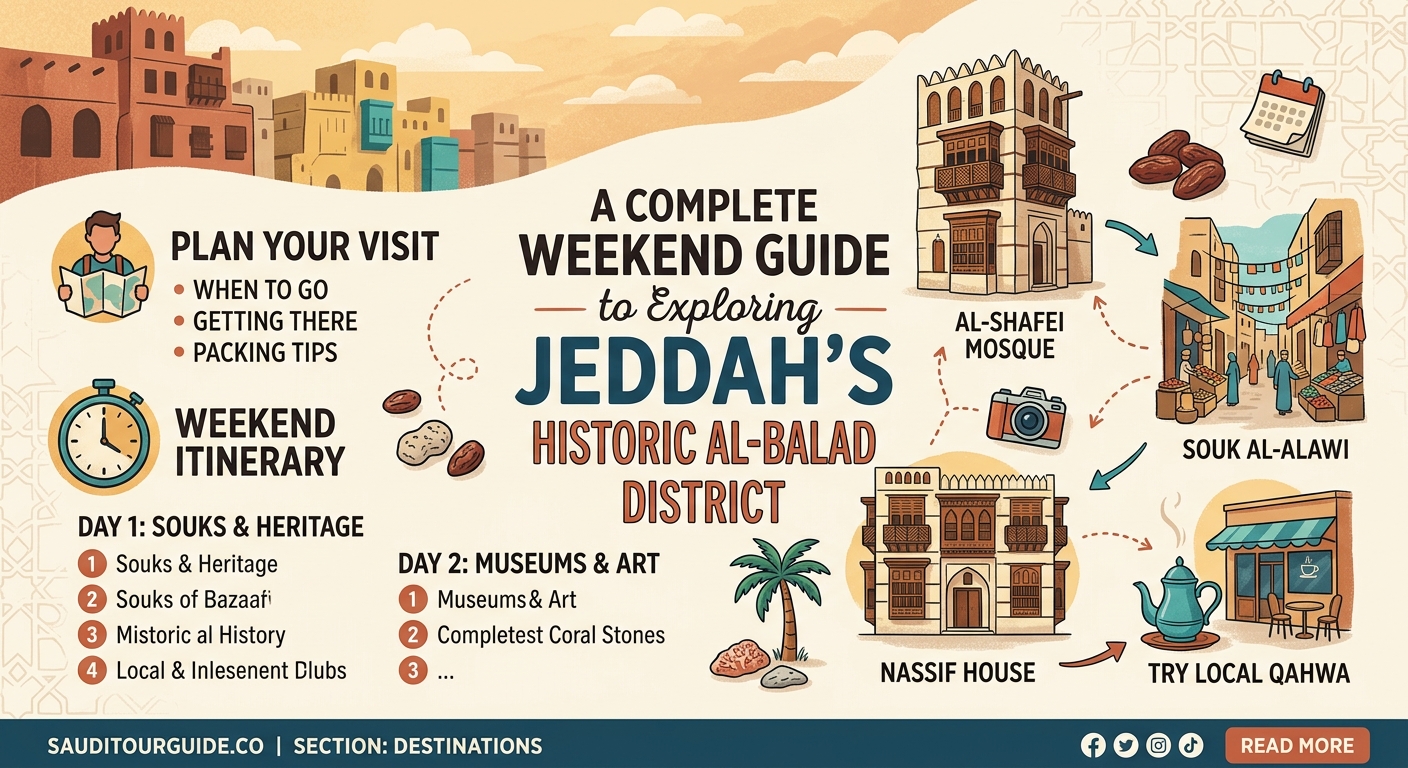
Al-Balad’s market districts form the commercial heart of the historic quarter. Each souq specializes in particular goods, following patterns established centuries ago.
Souq Al-Alawi
The main thoroughfare runs north-south through Al-Balad’s center. This covered market sells everything from textiles to electronics, spices to household goods.
Bargaining is expected in most shops. Start at 50-60% of the asking price and negotiate up. Shopkeepers enjoy the interaction, so don’t feel awkward about it.
The textile section deserves particular attention. You’ll find traditional Saudi garments, Yemeni embroidery, and fabrics from across the Islamic world.
Small side alleys branch off the main souq. These often contain the most interesting specialist shops: perfume vendors, traditional medicine sellers, and craftsmen working in tiny workshops.
Souq Al-Badu (Bedouin Market)
This section specializes in traditional Bedouin goods and handicrafts. Look for handwoven rugs, camel leather products, and traditional jewelry.
Quality varies significantly. Examine items carefully, as some “traditional” goods are mass-produced imports. Genuine handmade pieces command higher prices but offer authentic craftsmanship.
The vendors here often speak limited English. Basic Arabic phrases help, though many transactions happen through gestures and calculator negotiations.
Gabel Street Market
This outdoor section comes alive during evenings and weekends. Vendors spread goods on blankets, selling everything from used electronics to vintage items.
The atmosphere feels chaotic but energetic. This is where local families shop for bargains, not where tourists typically visit.
Pickpockets can operate in crowded areas. Keep valuables secure and maintain awareness of your surroundings, particularly during busy evening hours.
Where to Eat in Al-Balad
The district offers everything from street food to upscale restaurants, all emphasizing traditional Hijazi cuisine.
Traditional Hijazi Restaurants
Several establishments serve authentic regional dishes in heritage building settings. Albaik, though a chain, originated in Jeddah and serves fried chicken that locals genuinely love.
For sit-down meals, look for restaurants offering mandi (spiced rice with meat), saleeg (creamy rice porridge), and mathlotha (layered bread with honey and cheese).
Breakfast options include ful (fava beans), falafel, and fresh bread from traditional ovens. Many small shops near the souqs serve these items from early morning.
“The best way to understand Hijazi culture is through its food. Don’t just eat at tourist restaurants. Find where the shopkeepers take their lunch breaks.” – Local tour guide Mohammed Al-Harthi
Street Food and Snacks
Sambousek (savory pastries) vendors appear throughout Al-Balad, particularly during late afternoons. These triangular treats filled with meat or cheese cost just a few riyals.
Fresh juice stands line major thoroughfares. Try lemon-mint, tamarind, or sugarcane juice for refreshing breaks during your walking tours.
Dates and traditional sweets make perfect snacks while shopping. Vendors often offer samples, and the quality typically exceeds what you’ll find in modern supermarkets.
Modern Cafes in Historic Settings
Several restored buildings now house contemporary cafes blending traditional architecture with modern amenities. These spaces offer air conditioning, WiFi, and international coffee alongside heritage ambiance.
Rooftop cafes provide stunning sunset views across Al-Balad’s skyline. Prices run higher than street-level options but include the experience of the setting.
Many cafes serve light meals and desserts alongside beverages. They make ideal rest stops during intensive walking days, and the coffee traditions you’ll experience here differ from Western coffee culture.
Creating Your Walking Routes
Al-Balad’s layout confuses first-time visitors. The medieval street pattern follows no grid, and signage remains limited in many areas.
Northern Route (2-3 hours)
- Start at Beit Nassif and spend 45 minutes touring the interior
- Walk north through Souq Al-Alawi, stopping at shops that interest you
- Visit Al-Shafei Mosque and the surrounding residential quarter
- Continue to Beit Baeshen for exterior photography
- Return south through parallel streets, discovering hidden courtyards
- End at a rooftop cafe near your starting point
This route covers major landmarks while allowing spontaneous detours. The relatively compact area means you won’t get seriously lost.
Southern Route (2-3 hours)
- Begin at Makkah Gate and photograph the historic entrance
- Walk west into the residential quarters south of the main souq
- Visit smaller neighborhood mosques and local shops
- Head north to Gabel Street Market if visiting during evening hours
- Cut through to the waterfront area (now separated by modern roads)
- Return through the southern portion of Souq Al-Alawi
This route sees fewer tourists and offers more authentic neighborhood atmosphere. You’ll encounter more local daily life and fewer restored showcase buildings.
Comprehensive Route (4-5 hours)
Combine both routes with extended stops at museums, longer souq browsing, and meal breaks. This works best split across two half-days rather than one marathon session.
Start early to capture morning light, break during midday heat, and return for late afternoon atmosphere. This rhythm matches how locals experience the district.
Photography Tips and Etiquette
Al-Balad offers incredible photographic opportunities, but cultural sensitivity matters here more than in many destinations.
Architectural Photography
Morning light from the east illuminates building facades beautifully. The narrow streets create dramatic shadow patterns by mid-morning.
Golden hour (the hour before sunset) provides warm light that enhances the coral stone’s natural colors. Rooftop positions offer the best overview shots during this time.
Wide-angle lenses capture the towering buildings in narrow alleys. A 16-24mm range works well for architecture, while 35-50mm suits street photography.
Photographing People
Always ask permission before photographing individuals, particularly women. Many residents welcome interaction but dislike candid photography.
Children often enjoy being photographed. Their parents usually appreciate you asking first and showing them the results.
Market vendors may request small purchases in exchange for photos. This seems fair given they’re essentially modeling for you.
Avoid photographing people during prayer times or in situations where they’re engaged in religious activities. This applies throughout Saudi Arabia, not just Al-Balad.
What Not to Photograph
Military or government facilities remain off-limits. These rarely appear in Al-Balad’s core, but be aware near the district’s edges.
Some families consider their homes private even from exterior views. If someone objects to you photographing their building, respect their wishes and move on.
Inside mosques, photography is generally prohibited for non-Muslims who cannot enter anyway. Even exterior shots during prayer times can feel intrusive.
Cultural Considerations and Dress Code
Al-Balad remains a conservative area despite its tourist appeal. Respectful behavior and appropriate dress ensure positive interactions with residents.
Dress Requirements
Women should wear loose-fitting clothing covering shoulders and knees at minimum. The abaya (black cloak) is no longer mandatory for tourists, but many visitors wear one for comfort and to avoid attention.
Men should avoid shorts and sleeveless shirts. Long pants and t-shirts work fine, though collared shirts feel more appropriate in religious areas.
Both men and women should dress more conservatively than they might in Jeddah’s modern shopping districts. Al-Balad’s residents expect this, and understanding Saudi dress codes helps you blend in better.
Behavioral Guidelines
Public displays of affection should be avoided. Even hand-holding between couples can attract disapproving looks in conservative areas.
During prayer times, reduce noise levels near mosques. The call to prayer sounds five times daily, and locals appreciate visitors showing respect during these moments.
If invited into someone’s home or shop for tea, accepting shows good manners. These interactions often become trip highlights, offering genuine cultural exchange.
Tipping isn’t mandatory but is appreciated in restaurants. 10-15% works for good service, though many small establishments don’t expect it.
Practical Information for Your Visit
Several logistical details help your Al-Balad experience run smoothly.
Money and Payments
Many small shops and street vendors accept only cash. ATMs appear throughout the district, but bring sufficient riyals to avoid frequent withdrawals.
Larger restaurants and established shops accept credit cards. However, transaction fees and connection issues sometimes create problems.
Currency exchange offices operate near the main souq entrances. Rates are reasonable, though airport exchange before arriving works equally well.
Facilities and Amenities
Public restrooms remain limited in Al-Balad. Use facilities at museums, larger restaurants, or cafes before starting long walking routes.
Water fountains are scarce. Carry bottled water, particularly during warmer months. Small shops throughout the district sell cold drinks.
WiFi availability varies. Museums and modern cafes offer connections, but don’t expect coverage while walking through residential areas.
Phone coverage through major Saudi carriers works throughout the district. International roaming or local SIM cards both function reliably.
Safety Considerations
Al-Balad is generally safe for tourists. Serious crime remains rare, though petty theft can occur in crowded market areas.
Uneven pavement and crumbling infrastructure create trip hazards. Watch your footing, particularly when photographing while walking.
Some buildings are structurally unsound. Avoid entering abandoned structures, and respect barriers around renovation sites.
Female travelers report feeling comfortable in Al-Balad. The area sees many families, and harassment is less common than in some other Saudi tourist areas.
Comparing Al-Balad Experiences
Different approaches to visiting Al-Balad suit different traveler preferences. This table breaks down the options.
| Approach | Best For | Time Required | Typical Cost | Considerations |
|---|---|---|---|---|
| Self-guided walking | Independent travelers, photographers | 4-6 hours | Minimal (entry fees only) | Risk of missing context, possible navigation confusion |
| Organized group tour | First-time visitors, those wanting historical context | 2-3 hours | 150-300 SAR | Less flexibility, rushed pace, tourist-focused route |
| Private guide | Serious culture enthusiasts, photographers | Flexible | 400-800 SAR | Best depth, customized to interests, premium price |
| Evening food tour | Culinary travelers | 3-4 hours | 200-400 SAR | Limited architectural access, focus on eating spots |
| Photography workshop | Serious photographers | Half to full day | 500-1000 SAR | Technical focus, best locations, early/late access |
Common Mistakes to Avoid
Trying to see everything in one rushed visit leaves you exhausted and overwhelmed. Focus on quality experiences over checking boxes.
Visiting only during peak tourist hours means fighting crowds and missing the authentic neighborhood atmosphere. Early mornings or weekday afternoons offer better experiences.
Skipping the residential areas in favor of only major landmarks misses Al-Balad’s living heritage. The district’s value lies in its continued inhabitation, not just its museums.
Failing to research cultural norms before visiting can lead to uncomfortable situations. A few minutes of preparation prevents most issues.
Beyond the Weekend
If your schedule allows more than a weekend in Jeddah, Al-Balad rewards repeated visits at different times and seasons.
Seasonal Variations
Winter months (November through February) offer the most comfortable temperatures. The district hosts more outdoor events and festivals during this period.
Ramadan transforms Al-Balad’s rhythm entirely. Daytime activity decreases, but post-sunset hours become incredibly vibrant. Special foods and decorations appear that you won’t see other times.
Summer visits require more planning around heat. Focus on early mornings, late evenings, and air-conditioned indoor spaces during midday.
Special Events
The Jeddah Season cultural festival increasingly incorporates Al-Balad programming. Check event calendars if visiting during major Saudi tourism initiatives.
Traditional celebrations during Eid holidays bring locals back to Al-Balad. The area fills with families, special foods appear, and the atmosphere becomes festive.
Occasional heritage festivals showcase traditional crafts, music, and cultural practices. These events offer experiences unavailable during regular visits.
Extending Your Saudi Journey
Al-Balad represents just one facet of Saudi Arabia’s expanding tourism landscape. The country contains numerous other hidden gems worth discovering beyond the main tourist circuit.
Jeddah’s modern waterfront, contemporary art scene, and luxury shopping districts provide contrast to Al-Balad’s historic character. The city works well as a multi-day destination combining old and new.
The Red Sea coastline north and south of Jeddah offers world-class diving opportunities and pristine beaches. These areas remain underdeveloped compared to other global diving destinations, offering uncrowded experiences.
Budget-conscious travelers will find Saudi more affordable than Gulf neighbors. Understanding realistic costs for different travel styles helps with planning extended trips.
Making Al-Balad Your Own
Every visitor experiences Al-Balad differently. Some fall in love with the architecture, others with the food, and many with the genuine interactions with local residents.
Don’t feel pressured to follow any guide (including this one) rigidly. Use the structure to orient yourself, then follow your interests and instincts.
The district rewards curiosity. That interesting doorway, that smell of baking bread, that sound of traditional music from an upper window, all these invite investigation.
Talk to shopkeepers, accept tea invitations, get lost in the alleyways, and allow yourself to be surprised. Al-Balad’s magic lies not in checking off landmarks but in experiencing a living heritage that has survived centuries of change.
Your weekend in this remarkable district will likely leave you planning your return visit before you even depart. That’s the effect Al-Balad has on travelers who take the time to understand its layers of history, culture, and contemporary life.