
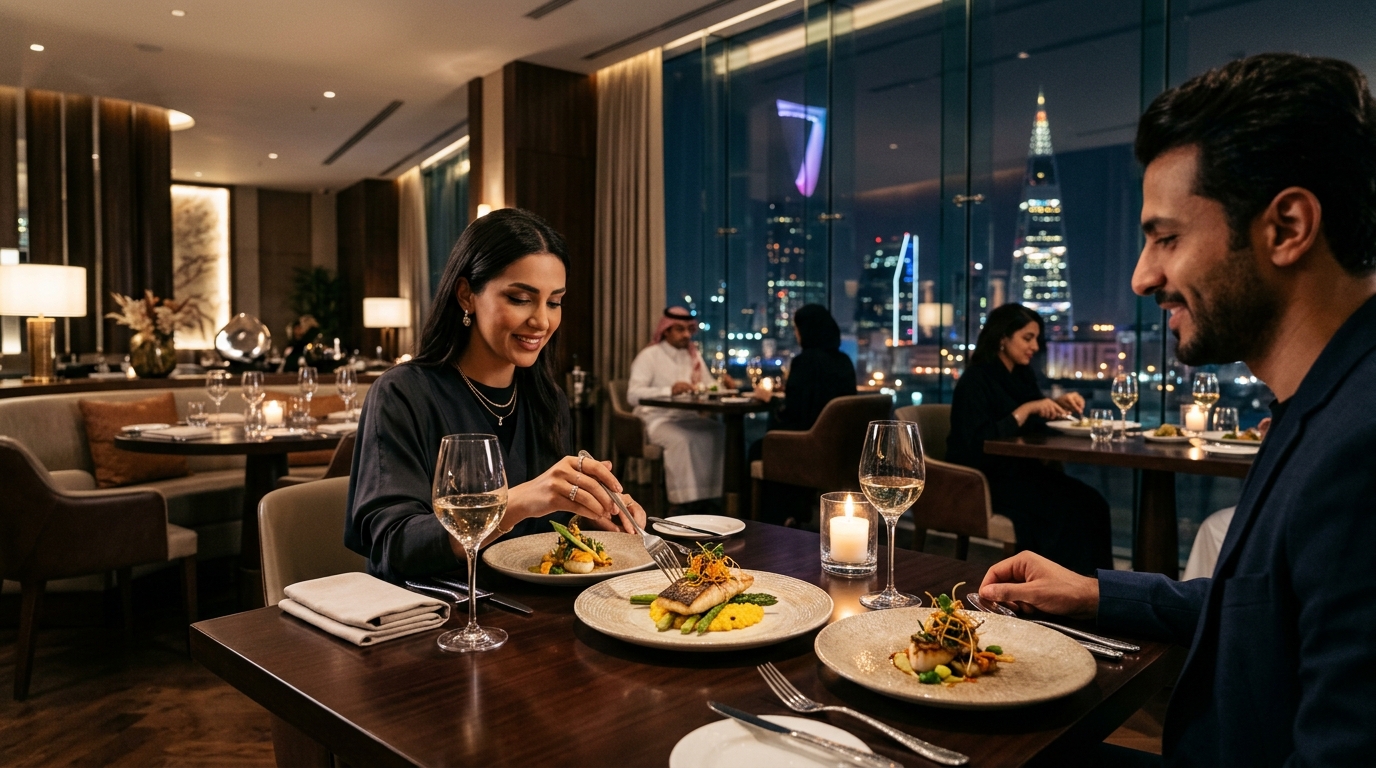
Saudi Arabia’s culinary landscape has transformed dramatically over the past five years. What was once a region known primarily for traditional kabsa and street food now hosts some of the world’s most celebrated chefs and innovative dining concepts. The arrival of the Michelin Guide in 2024 officially recognized what food enthusiasts already knew: the Kingdom has become a serious player in global fine dining.
Saudi Arabia earned its first Michelin stars in 2024, with restaurants in Riyadh and Jeddah receiving recognition. The dining scene blends international celebrity chefs with local ingredients and Arabian hospitality. Reservations at starred venues require advance booking, proper attire, and budgeting between 400 to 1,500 SAR per person. Most establishments welcome international visitors and offer tasting menus that showcase both global techniques and regional flavors.
Understanding Saudi Arabia’s Michelin Star Landscape
The Michelin Guide launched its Saudi Arabia edition in early 2024, marking the first time the prestigious rating system evaluated restaurants in the Arabian Peninsula. This wasn’t a random expansion. The Kingdom’s Vision 2030 initiative has poured billions into transforming the country into a global tourism and cultural destination.
Riyadh leads with the highest concentration of starred establishments. The capital city hosts seven Michelin-starred restaurants as of this writing. Jeddah follows with four recognized venues, while smaller cities are rapidly developing their fine dining infrastructure.
The rating criteria remain consistent with global Michelin standards. Inspectors evaluate quality of ingredients, mastery of cooking techniques, harmony of flavors, value for money, and consistency across visits. Saudi venues face the additional challenge of sourcing premium ingredients in a desert climate while respecting cultural dining norms.
“The Saudi dining scene isn’t trying to copy Paris or Tokyo. It’s creating something entirely new by respecting local ingredients, Islamic dietary laws, and Arabian hospitality traditions while meeting international fine dining standards.” – Chef Ahmad Al-Shaikh, culinary consultant
Planning Your Michelin Star Dining Experience
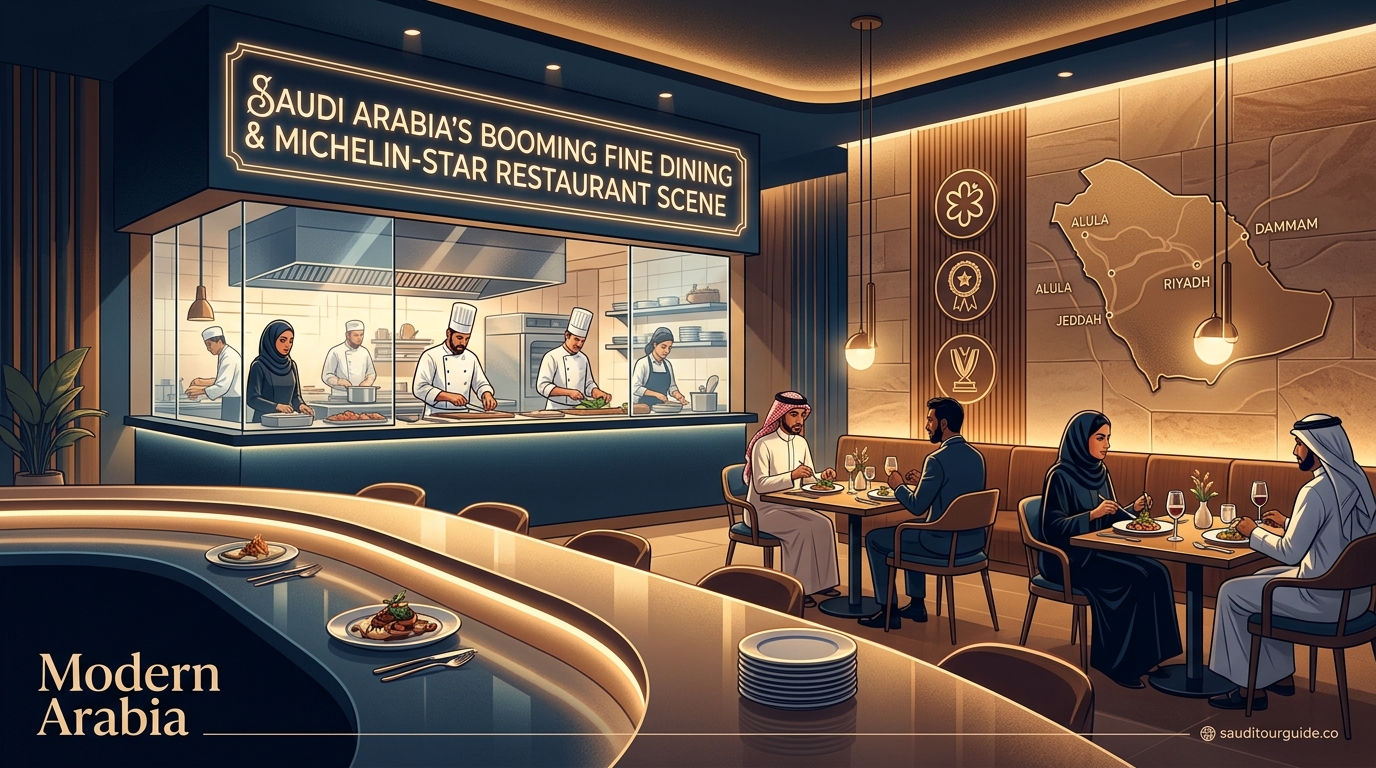
Booking a table at Michelin star restaurants Saudi Arabia requires more preparation than typical restaurant reservations. Here’s how to secure your spot:
- Reserve at least two to four weeks in advance for one-star establishments, longer for higher-rated venues or weekend slots.
- Confirm dress codes directly with the restaurant since standards vary between venues and some enforce stricter requirements than others.
- Verify payment methods accepted as some high-end establishments prefer credit cards over cash or specific international payment systems.
- Request dietary accommodations early if you have allergies or specific requirements beyond standard halal observance.
- Reconfirm your reservation 48 hours before to avoid automatic cancellations that many restaurants enforce.
Most starred restaurants operate dinner service from 6:30 PM to 11:00 PM. Lunch service is less common but available at select venues on weekends. The typical meal duration ranges from two to three hours for tasting menus.
Top Michelin-Starred Restaurants in Riyadh
Takya earned two Michelin stars for its innovative approach to Levantine cuisine. Located in the Diplomatic Quarter, this restaurant reimagines traditional dishes using molecular gastronomy techniques. The tasting menu changes seasonally but always features at least one dish highlighting Saudi dates or locally sourced lamb.
Nozomi received one star for exceptional Japanese cuisine that respects both traditional preparation methods and halal requirements. The omakase experience here costs approximately 850 SAR per person. Reservations open exactly 30 days in advance and fill within hours.
Pierre’s Bistro brought classic French technique to Riyadh and earned its star through consistent execution and an impressive wine-alternative pairing program using artisanal juices and fermented beverages. The restaurant occupies a converted villa in the Al Olaya district.
Seven Sands stands out as the only starred restaurant focusing exclusively on modern Saudi cuisine. Chef Maha Al-Rashid sources ingredients from small farms across the Kingdom and presents them in ways that honor tradition while embracing contemporary plating. The camel tartare has become legendary among food enthusiasts.
Jeddah’s Starred Dining Scene
Jeddah’s coastal location gives its Michelin-starred venues access to Red Sea seafood unavailable in landlocked Riyadh. This geographic advantage shapes the city’s fine dining identity.
Almarjan holds two stars for seafood-focused cuisine that changes daily based on the morning catch. The restaurant works directly with local fishermen and features species rarely seen on international menus. Expect to pay 950 SAR for the chef’s tasting menu.
Bayt Al-Yam translates to “house by the sea” and lives up to its name with floor-to-ceiling windows overlooking the Red Sea. This one-star establishment specializes in Mediterranean cuisine adapted to Saudi tastes and ingredients. The grilled hamour with date molasses glaze appears on every menu iteration.
Zephyr earned its star through creative fusion that shouldn’t work but does. The chef combines Japanese techniques with Middle Eastern ingredients, resulting in dishes like miso-marinated lamb neck and saffron-infused ramen. Located in the historic Al-Balad district, the setting adds cultural context to the innovative menu.
What to Expect at Saudi Michelin Restaurants
| Aspect | Standard Practice | Cultural Consideration |
|---|---|---|
| Alcohol | Not available | Sophisticated mocktail pairings offered |
| Dress code | Smart casual to formal | More conservative than Western equivalents |
| Gender seating | Mixed or family sections | Some venues offer private dining rooms |
| Prayer times | Brief service pauses | Typically 5-10 minute intervals |
| Tipping | 15% customary | Often included in final bill |
| Photography | Generally welcomed | Flash prohibited, ask before posting |
The dining atmosphere at Michelin star restaurants Saudi Arabia balances international fine dining standards with local cultural norms. You’ll notice prayer times observed by staff, though service continues with minimal disruption. Most venues offer both open seating and private dining rooms for families or groups preferring more privacy.
Portion sizes tend toward generous compared to European starred restaurants. Tasting menus typically include seven to twelve courses, with substantial proteins featured prominently. Vegetarian options exist but require advance notice at most establishments.
Comparing Costs and Value
Fine dining in Saudi Arabia costs less than equivalent experiences in major European or American cities, though prices are rising as demand increases.
- One-star restaurants: 400 to 700 SAR per person for tasting menus
- Two-star establishments: 800 to 1,200 SAR per person
- Beverage pairings: 150 to 300 SAR additional
- Service charges: Usually 15% automatically added
These prices include all taxes and typically cover bread service, amuse-bouches, and petit fours. Some restaurants offer abbreviated lunch menus at 30 to 40% lower prices, though availability is limited.
Value perception varies based on your reference point. Compared to Tokyo or Paris starred restaurants, Saudi venues offer exceptional value. The ingredients are premium, portions are substantial, and service standards match international expectations.
Seasonal Considerations for Dining
Saudi Arabia’s climate dramatically affects the fine dining calendar. Summer temperatures exceeding 45°C (113°F) drive many affluent residents abroad, leading some restaurants to close or reduce service from June through August.
The ideal months for experiencing Michelin star restaurants Saudi Arabia run from October through April. Temperatures moderate, cultural events increase, and restaurants operate at full capacity with seasonal menus featuring the best available ingredients.
Ramadan presents unique opportunities and challenges. Many fine dining establishments close during daylight hours but offer special iftar (break-fast) tasting menus after sunset. These experiences blend traditional Ramadan dishes with fine dining techniques and require reservations months in advance.
Winter months from December through February see the highest demand. International events and festivals bring additional visitors competing for limited tables. Book early or consider shoulder season months like October or April for easier access.
Emerging Dining Districts and Future Stars
The Michelin Guide evaluates new restaurants annually, and several establishments are positioning themselves for future recognition.
Diriyah Gate development in Riyadh will house multiple international chef-driven concepts when fully completed. This UNESCO heritage site transformation includes restaurants from Michelin-starred chefs expanding their global portfolios to Saudi Arabia.
NEOM’s luxury dining component remains mostly conceptual, but early announcements suggest at least three restaurants targeting Michelin recognition from opening day. The futuristic development promises underwater dining experiences and chef residency programs.
AlUla has attracted significant culinary investment tied to its archaeological tourism development. Several high-profile chefs have announced plans for seasonal pop-ups and permanent establishments opening through 2025.
Boulevard Riyadh City and Jeddah’s waterfront developments continue adding upscale dining options. Not all will achieve Michelin recognition, but the competition elevates overall standards across the fine dining sector.
Practical Tips for International Visitors
Getting to starred restaurants requires planning since Saudi cities are spread out and public transportation remains limited in most areas.
- Ride-hailing apps like Uber and Careem work reliably in Riyadh and Jeddah
- Many high-end hotels offer car service to partner restaurants
- Renting a car provides flexibility but parking at popular venues can be challenging
- Allow extra travel time during prayer times when traffic patterns shift
Most Michelin-starred restaurants employ multilingual staff comfortable serving international guests. Menus are typically available in English and Arabic. However, learning basic Arabic greetings enhances your experience and demonstrates cultural respect. The local social etiquette guide covers useful phrases and customs.
Dress codes lean conservative even at international-style restaurants. Men should wear long pants and collared shirts at minimum. Women have flexibility but should avoid extremely revealing clothing. When in doubt, business casual exceeds minimum requirements at every starred venue.
Payment is straightforward at upscale establishments. International credit cards are widely accepted. Inform your bank of travel plans to avoid card blocks. ATMs are readily available if you prefer settling bills with cash.
Beyond the Stars
The Michelin Guide represents one measure of culinary excellence, but Saudi Arabia’s food scene extends far beyond starred establishments. Traditional restaurants serving authentic regional cuisine provide equally memorable experiences at a fraction of the cost.
Consider balancing your fine dining reservations with visits to local favorites. The contrast between a 1,000 SAR tasting menu and a 40 SAR plate of perfectly executed mandi offers perspective on Saudi culinary diversity.
Coffee culture remains central to Saudi social life. Many starred restaurants incorporate traditional Arabic coffee service into their experiences, but dedicated coffee houses provide deeper cultural immersion.
Street food markets and traditional souqs operate alongside luxury dining districts. This juxtaposition defines modern Saudi Arabia, where centuries-old traditions coexist with rapid modernization and international influence.
Making Reservations Work in Your Itinerary
Coordinating multiple Michelin restaurant bookings with sightseeing requires strategic planning. Most starred venues only serve dinner, freeing your days for other activities.
A sample five-day itinerary might include:
- Day 1: Arrive Riyadh, casual dining, adjust to time zone
- Day 2: City sightseeing, one-star restaurant dinner
- Day 3: Day trip to Edge of the World, early dinner at two-star venue
- Day 4: Morning flight to Jeddah, explore Al-Balad, starred seafood dinner
- Day 5: Red Sea activities, farewell dinner at coastal restaurant
This pacing allows recovery time between intense tasting menus while maximizing your exposure to different culinary styles and locations. Budget planning should account for fine dining representing 30 to 40% of total trip costs if you’re targeting multiple starred restaurants.
Common Mistakes to Avoid
First-time visitors to Michelin star restaurants Saudi Arabia often make preventable errors:
- Assuming Western dining norms apply universally: Prayer times, gender considerations, and alcohol absence require mental adjustment
- Underdressing for the occasion: Saudi fine dining skews more formal than casual Western equivalents
- Booking too many starred meals consecutively: Rich tasting menus back-to-back causes palate fatigue
- Ignoring seasonal closures: Summer heat drives temporary restaurant closures
- Skipping the beverage pairing: Mocktail programs are sophisticated and enhance the meal significantly
- Arriving exactly at reservation time: 10-15 minutes early is preferred and allows for proper greeting
The biggest mistake is approaching Saudi fine dining as merely expensive food. These restaurants represent cultural bridges, blending international techniques with local ingredients and traditions. Viewing them through this lens enriches the entire experience beyond just the meal itself.
Combining Fine Dining with Broader Travel
Michelin-starred restaurants cluster in major cities, but Saudi Arabia’s attractions spread across diverse regions. Combining culinary experiences with adventure activities creates a balanced trip.
After a formal dinner in Riyadh, spend the next day hiking to Edge of the World or exploring archaeological sites. The physical activity helps justify the caloric indulgence while showing different facets of the Kingdom.
Coastal fine dining in Jeddah pairs naturally with Red Sea diving adventures. Morning dives followed by evening tasting menus create memorable contrasts between underwater exploration and culinary artistry.
The Asir region’s mountain landscapes offer cooler temperatures and developing fine dining scenes. While not yet Michelin-rated, several Asir restaurants are positioning themselves for future recognition with innovative approaches to highland cuisine.
The Role of International Chefs
Saudi Arabia’s Michelin success stems partly from attracting established international chefs who bring proven techniques and global recognition. Several starred venues are headed by chefs who earned their reputations in Europe, Asia, or North America before relocating to the Kingdom.
This international expertise transfers knowledge to local culinary talent through apprenticeship programs and kitchen training. The next generation of Saudi chefs is learning Michelin-level standards while incorporating regional ingredients and cultural perspectives.
Some critics argue this approach lacks authenticity, but the reality is more nuanced. International chefs working in Saudi Arabia must adapt to local ingredients, cultural norms, and diner expectations. The result is genuine fusion rather than simple transplantation of foreign concepts.
The most successful starred restaurants balance international technique with local identity. They source Saudi ingredients, employ local staff, and create menus that resonate with both international visitors and Saudi nationals who’ve dined globally.
Your Culinary Journey Awaits
Saudi Arabia’s Michelin-starred restaurant scene represents more than just excellent food. These establishments symbolize the Kingdom’s rapid transformation and growing confidence on the global stage. Each meal tells a story about tradition meeting innovation, local ingredients elevated through international techniques, and cultural exchange happening one course at a time.
Whether you’re planning a dedicated culinary tour or adding one special meal to a broader Saudi adventure, the Michelin star restaurants Saudi Arabia offers deliver experiences unavailable anywhere else. The combination of Arabian hospitality, ambitious cooking, and cultural context creates dining memories that extend far beyond the plate. Start planning your reservations now, because as word spreads about the Kingdom’s culinary excellence, tables will only become harder to secure.