
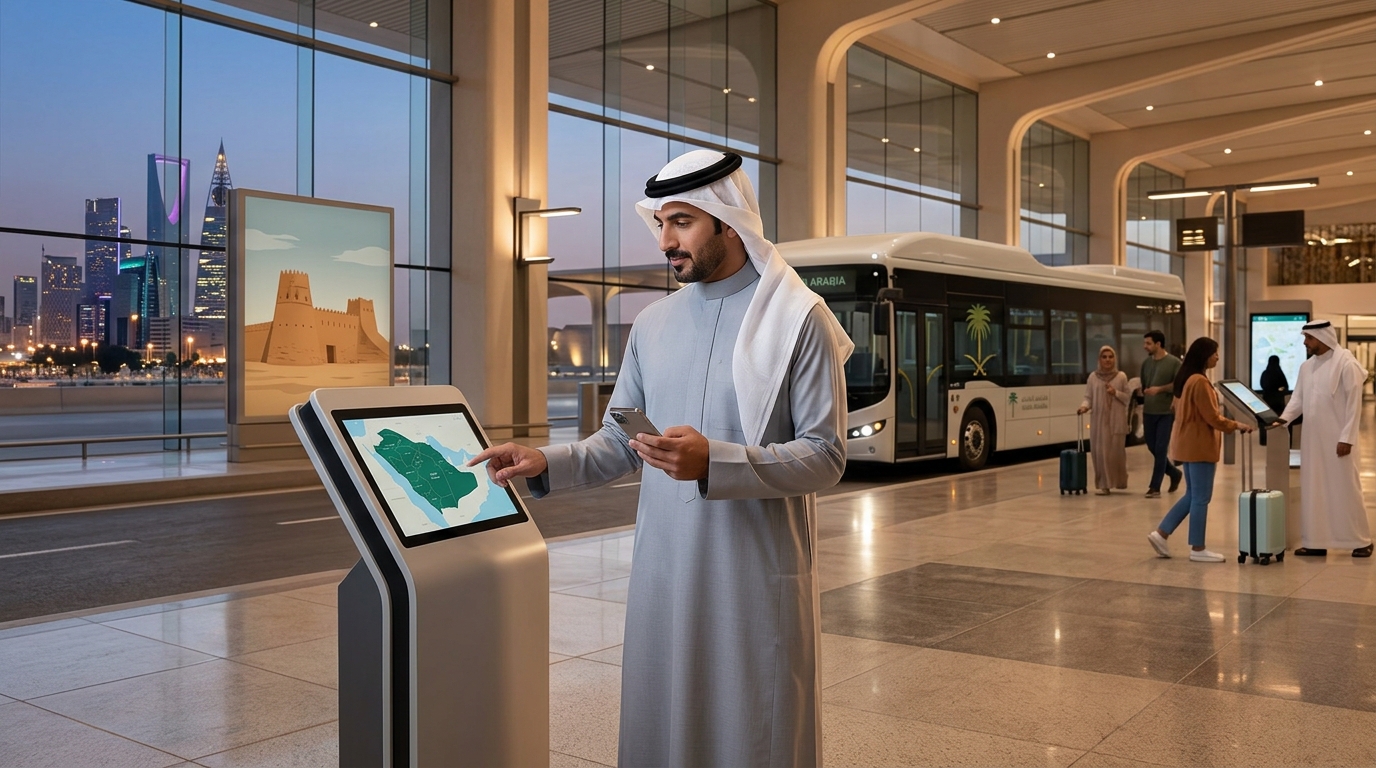
You’ve completed one of the most profound spiritual journeys of your life. Your Hajj visa is still valid for a few more days. The question running through your mind is whether you can visit Riyadh, Jeddah, or AlUla before flying home. The answer is more nuanced than you might expect, and getting it wrong could mean missing your flight or facing penalties at immigration.
Hajj visa holders can travel within Saudi Arabia during their visa validity period, but face restrictions on visiting certain cities without proper permissions. Most pilgrims need to understand the difference between Hajj visa limitations and tourist visa freedoms, plan transportation between cities carefully, and ensure their passport stamps allow the movement they’re planning before booking hotels or tours outside Makkah and Madinah.
Understanding your Hajj visa travel permissions
Your Hajj visa is not the same as a tourist visa. This distinction matters more than most pilgrims realize.
Hajj visas typically restrict holders to Makkah, Madinah, and Jeddah. The Saudi government issues these visas specifically for pilgrimage purposes. They come with geographic limitations built into the system.
Some pilgrims arrive thinking they can freely visit any Saudi city. This assumption leads to problems at domestic airports and hotel check-ins. The reality is more restrictive.
Your visa validity period usually extends 30 to 90 days from your entry date. The exact duration appears on your visa stamp. This window determines how long you can legally remain in the Kingdom, not where you can go.
The Ministry of Hajj and Umrah controls these permissions through the Nusuk platform. Changes to your itinerary or travel plans often require updating your information through official channels.
Cities you can visit without additional permissions
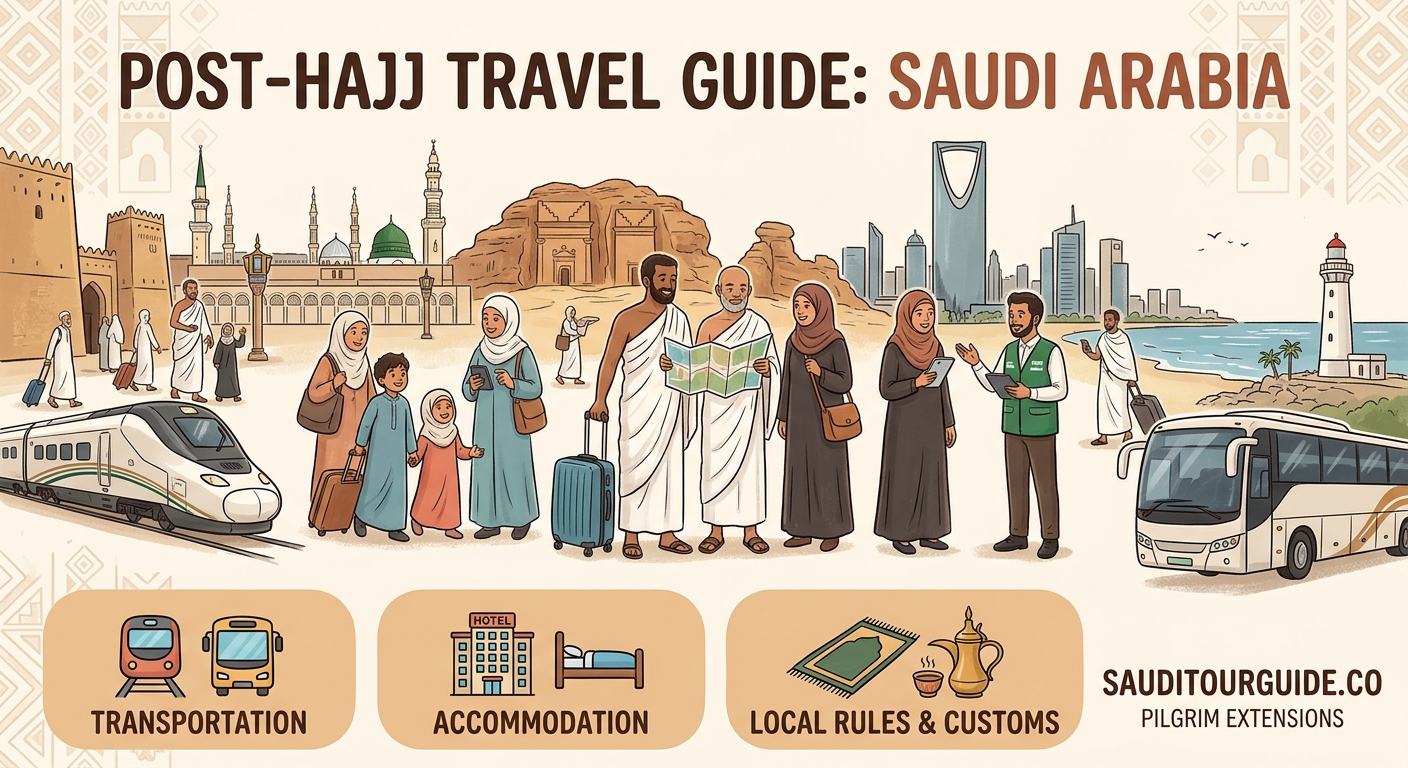
Three main cities remain accessible to most Hajj visa holders without extra paperwork.
Makkah serves as your primary destination. You can move freely within the city and its surrounding areas. This includes visiting historical sites like Jabal al-Nour and the Cave of Hira.
Madinah welcomes pilgrims as the second holy city. Most Hajj packages include time here. You can extend your stay in Madinah if your visa allows and your flight schedule permits. Consider checking out the best day trips from Madinah for pilgrims with extra time if you have flexibility.
Jeddah functions as the main gateway city. Since most international pilgrims fly through King Abdulaziz International Airport, authorities generally permit stays in Jeddah. The city offers the historic Jeddah’s historic Al-Balad district and modern waterfront attractions.
These three cities form the permitted triangle for standard Hajj visa holders. Moving beyond this triangle requires different documentation.
How to legally visit other Saudi cities after Hajj
Visiting Riyadh, AlUla, or Abha requires converting or extending your visa status. This process is not automatic.
The most straightforward path involves applying for a tourist visa conversion through the Ministry of Foreign Affairs platform. This option became available in recent years as part of Saudi Arabia’s tourism push.
Here’s the step-by-step process:
- Complete your Hajj rituals and obtain confirmation from your tour operator or the Nusuk system that your pilgrimage is complete.
- Visit the Ministry of Foreign Affairs visa services portal or use the approved mobile application before your Hajj visa expires.
- Upload required documents including your passport, current visa details, proof of accommodation in the cities you plan to visit, and a return flight ticket.
- Pay the tourist visa fee, which differs from your original Hajj visa cost.
- Wait for approval, which typically takes 24 to 72 hours during non-peak periods.
- Download your approved tourist visa and save both digital and printed copies for checkpoints.
Not every Hajj visa holder qualifies for this conversion. Citizens from countries that don’t have tourist visa agreements with Saudi Arabia face additional restrictions. Check the official Saudi tourism website to verify your nationality’s eligibility.
“The biggest mistake pilgrims make is booking hotels in Riyadh or AlUla while still on a Hajj visa. Hotels check your visa status at reception. If your visa doesn’t permit travel to that region, you’ll be turned away even with a confirmed reservation.” – Ahmed Al-Zahrani, Licensed Saudi Tour Guide
Transportation options between cities
Getting from Makkah to other destinations requires planning around your visa type and validity.
Domestic flights connect Jeddah to Riyadh, Dammam, Abha, and Tabuk multiple times daily. Saudia, Flynas, and Flyadeal operate these routes. Booking in advance saves money, especially during Hajj season when demand peaks. You’ll find practical booking strategies in the complete guide to Saudi Arabia’s domestic flights.
The Haramain High-Speed Railway runs between Makkah and Madinah, stopping in Jeddah and King Abdullah Economic City. This train offers the most comfortable ground transportation option. Tickets sell out during peak pilgrimage periods. Book through the official SAR website or app.
Intercity buses provide budget-friendly connections. SAPTCO operates the largest network. Buses leave from designated terminals in each city. The Makkah to Jeddah route takes about 90 minutes under normal traffic conditions.
Private car rental gives you maximum flexibility but comes with challenges. International driving permits are required. Traffic between holy cities can be intense during Hajj season. Consider whether renting a car in Saudi Arabia matches your comfort level and budget.
| Transportation Method | Cost Range (SAR) | Travel Time to Riyadh | Visa Check Point |
|---|---|---|---|
| Domestic Flight | 200-600 | 1.5 hours | Airport immigration |
| Private Car Rental | 150-400/day | 9-10 hours | Highway checkpoints |
| Intercity Bus | 80-150 | 10-12 hours | Bus terminal and highway |
| Organized Tour | 800-2000 | Varies | Included in package |
Common mistakes that cause travel problems
Many pilgrims encounter preventable issues when traveling in Saudi Arabia after Hajj.
Assuming visa validity equals travel permission. Your visa might be valid for 60 days, but that doesn’t automatically grant access to all Saudi regions. The validity period and geographic permissions are separate aspects of your documentation.
Failing to update Nusuk registration. If you change hotels or extend your stay, update your information in the Nusuk system. Mismatches between your registered location and actual whereabouts can trigger questions at checkpoints.
Booking non-refundable accommodations before visa approval. Wait until your tourist visa conversion is confirmed before paying for hotels outside the permitted Hajj cities. Cancellation policies often don’t cover visa-related issues.
Ignoring prayer time restrictions. All businesses close during prayer times. Plan your travel and activities around these five daily pauses. Missing a bus or train connection because you didn’t account for prayer closures is frustrating and avoidable.
Underestimating distances. Saudi Arabia is geographically massive. The drive from Jeddah to Riyadh takes nearly 10 hours. Flying makes more sense for most itineraries, especially when your time is limited.
Budget considerations for extended travel
Staying longer in Saudi Arabia after Hajj impacts your budget in specific ways.
Accommodation costs vary dramatically by city and season. A mid-range hotel in Jeddah might cost 300-500 SAR per night during normal periods. The same standard in Riyadh runs 250-400 SAR. Makkah and Madinah prices surge during Hajj and drop significantly afterward.
Food expenses remain relatively consistent across cities. Budget 100-150 SAR daily for meals at local restaurants. International chains cost more. Street food and small cafeterias offer filling meals for 30-50 SAR.
Transportation between cities represents your largest variable expense. A round-trip flight to Riyadh costs 400-1200 SAR depending on booking timing. The Haramain train runs 60-250 SAR per segment based on class selection.
Attraction entry fees are modest or free at most sites. AlUla’s Hegra archaeological site charges around 95 SAR. Many museums and cultural sites in Riyadh offer free admission. Your biggest expense will be getting there, not getting in.
For detailed cost breakdowns, how much does a week in Saudi Arabia really cost provides specific numbers for different travel styles.
Top destinations worth the extra paperwork
If you’re going through the visa conversion process, certain destinations justify the effort more than others.
AlUla stands out as Saudi Arabia’s most impressive historical site. The Nabataean tombs at Hegra rival Petra in Jordan. The rock formations and ancient inscriptions create an otherworldly landscape. Most pilgrims never see this side of Saudi Arabia. Getting there requires a domestic flight from Jeddah or Riyadh. Plan at least two full days to appreciate the area properly.
Riyadh offers a completely different Saudi experience from the holy cities. The capital showcases modern Saudi ambition through projects like the Kingdom Centre Tower and Boulevard Riyadh City. The Edge of the World geological formation sits 90 minutes outside the city. Cultural sites like Diriyah connect you to Saudi history before oil wealth transformed the nation.
Abha and the Asir region provide mountain scenery unlike anything most visitors expect from Saudi Arabia. Green highlands, cooler temperatures, and traditional architecture create a refreshing contrast to desert landscapes. The region works well for pilgrims seeking relaxation after the physical demands of Hajj. Learn more about why the Asir region should be your next Saudi adventure destination.
The Red Sea coast between Jeddah and Yanbu offers pristine beaches and world-class diving. This area remains underdeveloped compared to other global beach destinations, which means fewer crowds and more authentic experiences. Check out options for planning the perfect road trip along Saudi Arabia’s Red Sea coast.
Documents you need at every checkpoint
Traveling between Saudi cities means passing through various checkpoints. Having the right documents readily accessible saves time and stress.
Keep these items in an easily accessible folder or phone app:
- Your passport with current visa stamp clearly visible
- Printed and digital copies of your tourist visa approval if you converted from Hajj visa
- Hotel reservation confirmations for every city on your itinerary
- Return flight ticket showing your departure from Saudi Arabia
- Nusuk registration details and QR code
- Travel insurance documents if you purchased coverage
- Emergency contact information including your country’s embassy
Security personnel at airports, train stations, and highway checkpoints may ask to see any of these documents. Having them organized demonstrates preparation and typically speeds up the verification process. More details appear in what documents do you actually need at Saudi immigration.
Cultural considerations for traveling beyond holy cities
The atmosphere in Makkah and Madinah differs from other Saudi cities. Adjusting your expectations helps you navigate these differences smoothly.
Dress codes remain conservative but vary by location. Women must wear abayas in Makkah and Madinah. In Riyadh and Jeddah, modest clothing is required but abayas are optional for non-Muslim visitors in some areas. Men should wear long pants and avoid sleeveless shirts in public. Detailed guidance appears in what to wear in Saudi Arabia.
Gender segregation is less strict outside holy cities. Restaurants in Riyadh and Jeddah often have family sections and singles sections rather than completely separate facilities. Entertainment venues increasingly offer mixed seating areas. The rules are evolving rapidly.
English proficiency varies. Major hotels and tourist sites have English-speaking staff. Smaller restaurants and shops in residential areas may not. Download a translation app before leaving the holy cities where multilingual services are standard.
Prayer times still structure the day. Everything closes for 20-30 minutes five times daily. This practice continues nationwide, not just in Makkah and Madinah. Plan activities around these breaks rather than fighting against them.
Planning a realistic post-Hajj itinerary
Most pilgrims overestimate how much they can see after Hajj. Physical exhaustion from the pilgrimage is real. Your body needs recovery time.
A realistic extended itinerary might look like this:
Days 1-2 after Hajj completion: Rest in Madinah or Makkah. Visit sites you missed during your main pilgrimage. Let your body recover from the physical demands of Hajj rituals.
Days 3-4: Travel to Jeddah. Spend time in Al-Balad historic district. Enjoy the waterfront. This represents a gentle transition from pilgrimage to tourism mode.
Days 5-7: If you converted to a tourist visa, fly to either Riyadh or AlUla. Focus on one destination rather than rushing between multiple cities. Three days allows meaningful exploration without exhaustion.
Day 8: Return to Jeddah for your international departure. Build in buffer time for unexpected delays.
This pace balances seeing new places with respecting your post-Hajj energy levels. Trying to visit four cities in five days leads to burnout and missed flights. For more structured planning, how to plan a 10-day Saudi Arabia itinerary after your Hajj journey offers detailed frameworks.
Making the most of limited time
Not everyone can extend their stay for a week. Even 24-48 extra hours can add meaningful experiences.
Jeddah day trip options: The Al-Balad UNESCO site takes 3-4 hours to see properly. The Jeddah Corniche offers sunset views and casual dining. Both fit into a single day between your Hajj completion and your flight home.
Madinah extensions: Adding two days in Madinah lets you visit Quba Mosque, Mount Uhud, and the Seven Mosques area at a relaxed pace. These sites hold deep historical and spiritual significance for Muslims.
Makkah surroundings: Jabal al-Nour and the Cave of Hira provide meaningful visits for pilgrims with just one extra day. The climb takes 2-3 hours round trip. Go early morning to avoid heat.
Short extensions don’t require visa conversions if you stay within the permitted Hajj visa cities. This simplifies logistics considerably.
When to skip the extended travel
Sometimes the smartest decision is flying home as originally planned.
Skip extended travel if:
- Your Hajj visa expires within 3-5 days and you haven’t started the tourist visa conversion process
- You’re physically exhausted from Hajj and need rest more than sightseeing
- Your budget is stretched and additional hotel nights would create financial stress
- You have firm commitments at home that don’t allow schedule flexibility
- Your tour group is departing and you’d be navigating alone without Arabic language skills or regional knowledge
The pressure to maximize every moment can override common sense. Saudi Arabia isn’t going anywhere. You can return on a dedicated tourist visa when you have more time, energy, and budget. That future trip will likely be more enjoyable than forcing extra travel onto an already intense pilgrimage journey.
Resources for real-time travel information
Official sources provide the most reliable information about traveling in Saudi Arabia after Hajj.
The Nusuk platform remains your primary resource for pilgrimage-related permissions and documentation. The app includes chat support in multiple languages.
The Ministry of Foreign Affairs website handles tourist visa conversions and extensions. Their English interface works well for most transactions.
Visit Saudi is the official tourism portal. It lists current entry requirements, attraction hours, and transportation options. The information updates regularly as policies evolve.
Saudi Arabia’s domestic airlines (Saudia, Flynas, Flyadeal) have apps that make booking and managing flights straightforward. They often run promotions during post-Hajj periods when pilgrims extend their stays.
Local tourism offices in major cities can help with specific questions about attractions, transportation, and current restrictions. Jeddah and Riyadh have dedicated tourist information centers with English-speaking staff.
Your journey continues beyond the pilgrimage
Completing Hajj represents a spiritual milestone. The days immediately following this profound experience offer a unique opportunity to see Saudi Arabia through different eyes.
The country is transforming rapidly. What was impossible for pilgrims five years ago is now achievable with proper planning. The infrastructure improvements, new tourist attractions, and simplified visa processes all work in your favor.
Whether you spend two extra days in Jeddah or convert to a tourist visa for a week-long adventure, you’re witnessing a nation in transition. The Saudi Arabia you see today will be different from the one future pilgrims encounter.
Make informed decisions about your travel based on your visa status, energy levels, and genuine interests rather than trying to check boxes or match someone else’s itinerary. The most meaningful travel happens when you’re present and engaged, not exhausted and rushed.
Your Hajj journey brought you to Saudi Arabia for spiritual reasons. Extending that journey for cultural and personal growth is a gift you can give yourself if the circumstances align. Just make sure your visa paperwork aligns too.