
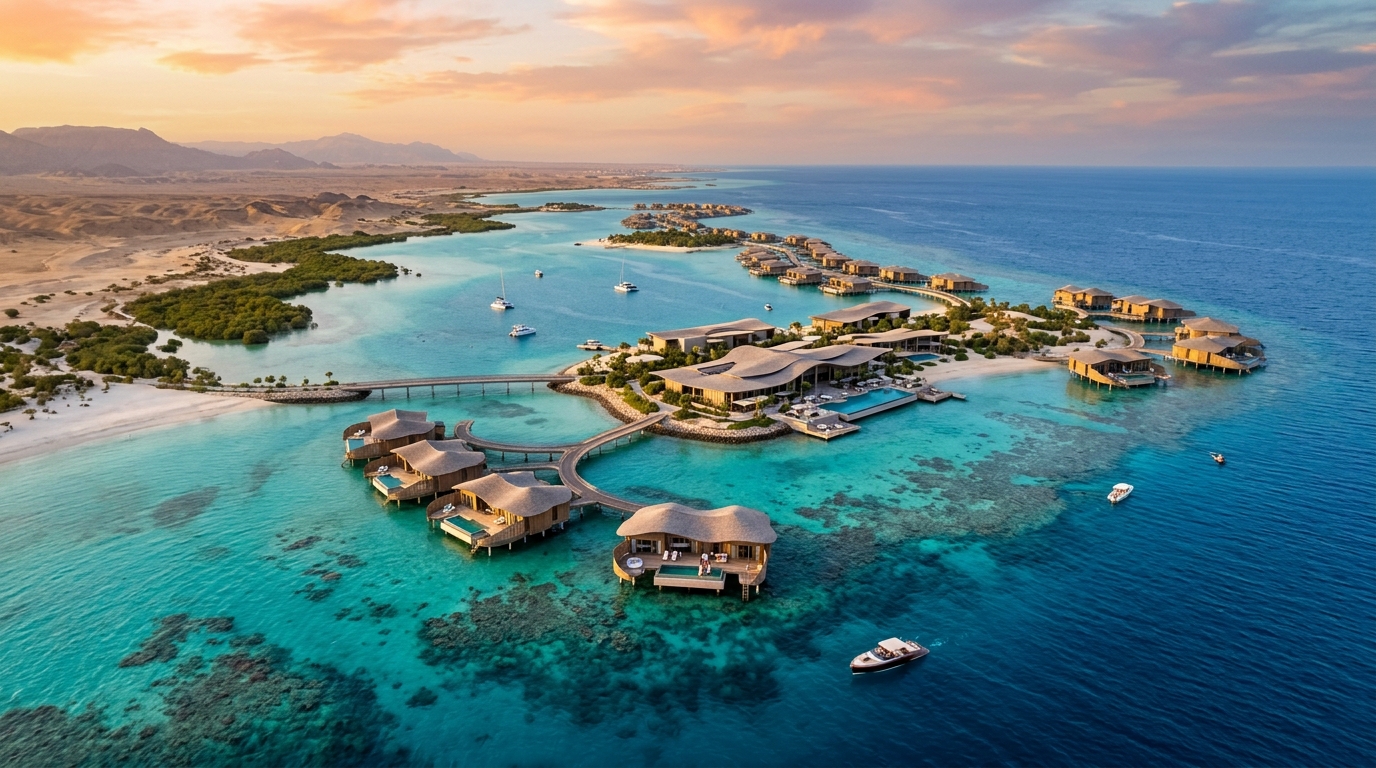
The Red Sea Project Saudi Arabia is transforming 28,000 square kilometers of pristine coastline into one of the world’s most ambitious luxury resort destinations. This isn’t just another hotel development. It’s a complete reimagining of what sustainable tourism can look like in the Middle East.
The Red Sea Project Saudi Arabia spans 50 islands and 22 resorts along the western coast, with phase one opening in 2024. The destination prioritizes [renewable energy](https://www.energy.gov/eere/solar/solar-energy-technologies-office), protects 75% of islands as nature reserves, and offers luxury accommodations accessible only by seaplane or boat. Visitors need a tourist visa, which can be obtained online. Resorts range from ultra-luxury to wellness retreats, all designed around marine conservation principles.
What Makes the Red Sea Project Different from Other Luxury Destinations
The Red Sea Project sits between Umluj and Al-Wajh on Saudi Arabia’s western coast. Unlike traditional resort developments, this project bans cars from most islands. You’ll travel by electric buggies, bicycles, or on foot.
The development runs entirely on renewable energy. Solar panels and wind turbines power every resort, restaurant, and facility. No fossil fuels. No compromises.
Marine biologists worked alongside architects from day one. The result? Resorts built around coral reefs rather than on top of them. Construction teams relocated endangered species before breaking ground. They mapped every turtle nesting site, every mangrove forest, every seagrass bed.
The project protects 75% of all islands as permanent nature reserves. Only 25% will ever see development. Compare that to most resort destinations, where developers maximize every available meter.
Opening Timeline and What’s Available Now
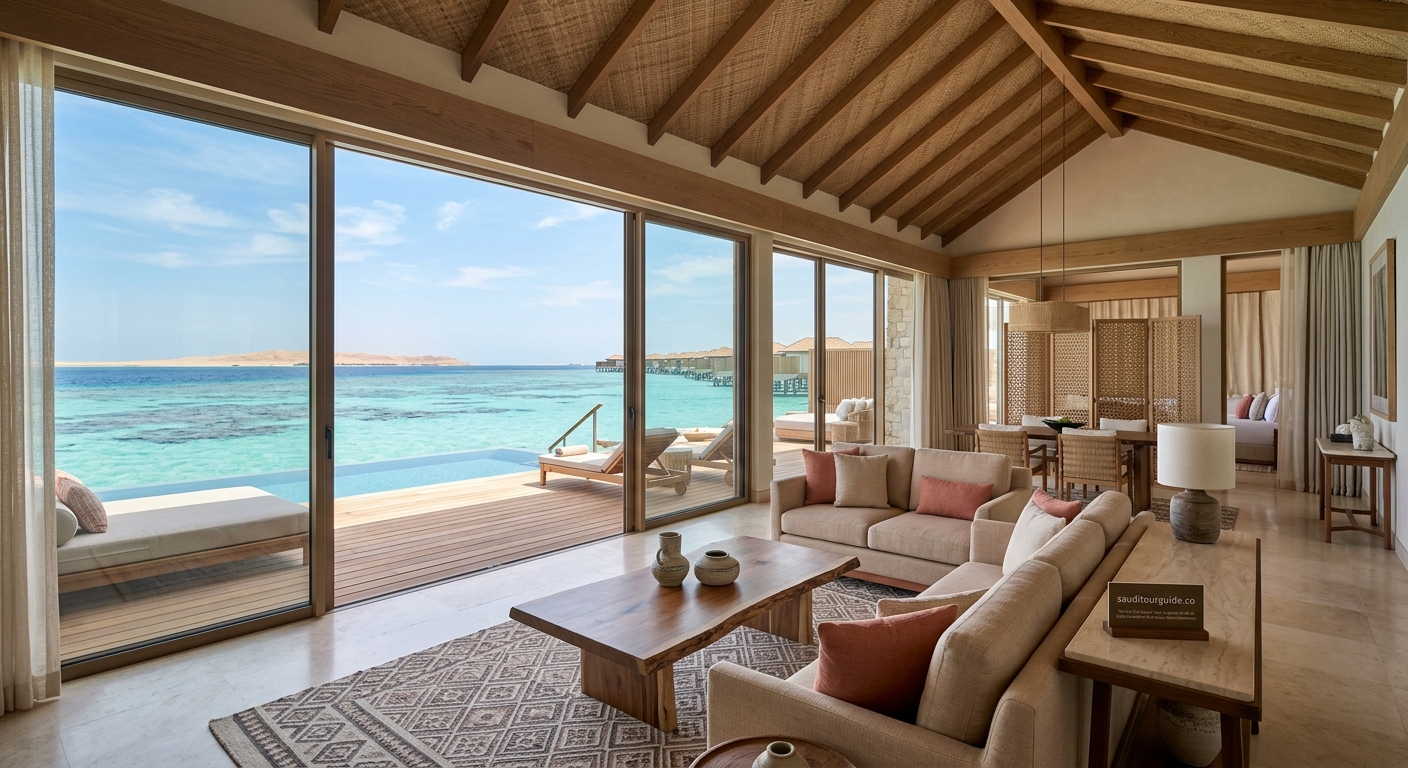
Phase one launched in 2024 with five resorts across three islands. Here’s what opened:
- Southern Dunes by Red Sea Global (opened March 2024)
- Desert Rock by Hyatt (opened April 2024)
- Coral Bloom by Marriott (opened June 2024)
- Turtle Bay (boutique property, opened July 2024)
- Nujuma by Ritz-Carlton Reserve (opened September 2024)
Additional resorts will open through 2030. The full vision includes 50 resorts across 22 islands, but you can visit now. Bookings are live. Flights are running. The infrastructure is operational.
“We’re not building a destination that competes with the Maldives or Caribbean. We’re creating something entirely new, where luxury and conservation aren’t opposing forces.” – John Pagano, CEO of Red Sea Global
How to Actually Get There
Getting to the Red Sea Project requires planning. There’s no drive-up access. The development designed it that way to preserve the coastline.
Your entry options:
- Red Sea International Airport: Purpose-built for the project, located on the mainland. Direct flights from Riyadh, Jeddah, Dubai, and select European cities.
- Seaplane transfers: From the airport to your island resort. Flight time ranges from 8 to 25 minutes depending on your destination.
- Luxury yacht: Private charters available from Jeddah or regional marinas.
- Helicopter: For guests booking premium suites or villas.
The airport itself deserves mention. It’s powered entirely by solar energy and designed to handle 1 million passengers annually once fully operational.
Most visitors fly into Jeddah first, then catch a domestic connection. If you’re already planning a road trip along Saudi Arabia’s Red Sea coast, you can drive to the airport and park there.
Visa Requirements for International Visitors
Saudi Arabia opened tourist visas in 2019. The Red Sea Project falls under standard tourist visa rules. No special permits needed.
You can apply for your Saudi Arabia e-visa online before your trip. The process takes about 10 minutes. Approval usually comes within 24 hours.
Citizens from 49 countries qualify for visa on arrival. Check the official Saudi tourism website for your specific nationality.
Make sure you have:
- Passport valid for at least 6 months
- Return flight booking
- Hotel confirmation
- Travel insurance (recommended but not mandatory)
Understanding what documents you actually need at immigration will save you hassle at the airport.
Resort Categories and What Each Offers
The Red Sea Project organizes properties into distinct categories. Each serves different travel styles.
| Resort Type | Price Range | Best For | Key Features |
|---|---|---|---|
| Ultra-Luxury | $1,500+ per night | Honeymooners, celebrations | Private pools, butler service, exclusive beaches |
| Wellness Retreats | $800-1,200 per night | Health-focused travelers | Spa programs, yoga, meditation, organic dining |
| Family Resorts | $600-1,000 per night | Multi-generational trips | Kids clubs, water sports, connecting rooms |
| Adventure Lodges | $500-800 per night | Active travelers | Diving centers, hiking access, marine excursions |
| Boutique Properties | $700-1,500 per night | Couples, design enthusiasts | Unique architecture, intimate settings, personalized service |
All properties maintain the same environmental standards. The price differences reflect amenities, service levels, and exclusivity rather than sustainability commitments.
Activities Beyond the Beach
The Red Sea Project isn’t just about lounging by turquoise water. Though the water is genuinely spectacular.
Water-based activities dominate:
- Scuba diving: Over 1,000 fish species and pristine coral reefs. The area rivals any diving destination globally. For a deeper look at what’s possible, check out the ultimate guide to Red Sea diving in Saudi Arabia.
- Snorkeling: Accessible directly from most resort beaches. No boat required.
- Kitesurfing: Consistent winds from November through March.
- Paddleboarding: Calm lagoons perfect for beginners.
- Kayaking: Guided expeditions through mangrove channels. If you want to plan something more extensive, consider a Red Sea kayaking expedition.
Land activities include:
- Desert hiking through volcanic rock formations
- Stargazing programs (minimal light pollution)
- Cultural workshops on Bedouin traditions
- Wildlife watching (dolphins, turtles, migratory birds)
- Mountain biking on designated trails
Every activity follows strict environmental protocols. Group sizes stay small. Guides receive training in marine biology and conservation.
Sustainability Practices That Actually Matter
Marketing teams love throwing around sustainability buzzwords. The Red Sea Project backs up the talk with measurable actions.
Concrete examples of their environmental approach:
- Zero single-use plastics: Every resort uses reusable or compostable alternatives.
- Desalination powered by solar: Fresh water comes from the sea, processed using renewable energy.
- Waste-to-energy conversion: Organic waste becomes compost or biogas fuel.
- Coral nurseries: Active restoration programs replanting damaged reefs.
- Wildlife corridors: Protected passages for animals moving between islands.
- Dark sky compliance: Lighting designed to minimize impact on nesting sea turtles.
The project publishes annual sustainability reports with specific metrics. You can track progress on coral coverage, species counts, and energy consumption. Real numbers, not vague promises.
What to Pack for Your Visit
The Red Sea climate stays warm year-round. Water temperature rarely drops below 22°C (72°F). Air temperature ranges from 25°C to 35°C (77°F to 95°F) depending on season.
Pack these essentials:
- Reef-safe sunscreen (regular sunscreen damages coral)
- Lightweight, breathable clothing
- Wide-brimmed hat for sun protection
- Quality sunglasses
- Modest clothing for mainland excursions
- Underwater camera or GoPro
- Reusable water bottle
- Light jacket for evening boat rides
While resorts maintain relaxed dress codes, you should understand what to wear in Saudi Arabia if you plan any mainland activities.
Most resorts provide snorkeling gear, but serious divers prefer their own masks for fit and comfort.
Booking Strategy and Pricing Reality
Red Sea Project resorts don’t come cheap. Budget accordingly.
Entry-level rooms start around $500 per night during low season. High season rates (November through March) push closer to $800 for basic accommodations. Premium suites and villas easily exceed $2,000 nightly.
These rates include:
- All meals (most resorts operate on full-board or all-inclusive models)
- Non-motorized water sports
- Resort transfers
- Basic activities and entertainment
Extra costs to factor in:
- International flights to Saudi Arabia
- Domestic flights or seaplane transfers
- Scuba diving (typically $100-150 per dive)
- Spa treatments
- Premium dining experiences
- Private excursions
Book directly through resort websites for the best rates. Third-party booking sites rarely offer advantages for properties this exclusive.
Consider visiting during shoulder season (April-May or September-October) for 20-30% savings without sacrificing weather quality.
Common Mistakes Travelers Make
Planning a trip to an emerging destination means fewer established travel patterns. People make predictable errors.
Underestimating travel time: Getting from Jeddah to your final resort takes 4-6 hours minimum, including connections and transfers. Don’t book same-day arrivals.
Skipping travel insurance: Medical evacuation from remote islands costs tens of thousands. Insurance that covers adventure activities is non-negotiable.
Ignoring visa processing time: While e-visas usually arrive fast, apply at least one week before travel. Last-minute applications risk delays.
Overpacking activities: You’re on a remote island. The point is slowing down. Don’t schedule every hour.
Forgetting reef-safe products: Regular sunscreen kills coral. Resorts will confiscate non-compliant products. Buy reef-safe versions before you go.
Assuming Western standards: Saudi Arabia has different cultural norms. Even in resort settings, some rules apply. Learn them beforehand.
Combining the Red Sea Project with Other Saudi Destinations
Most international visitors don’t fly halfway around the world for one location. Smart travelers combine the Red Sea Project with other Saudi highlights.
Popular combinations:
Red Sea + Jeddah: Spend 2-3 days exploring Jeddah’s historic Al-Balad district before heading to the coast.
Red Sea + AlUla: The ancient Nabatean ruins at AlUla sit a few hours inland. Consider a 7-day itinerary combining Riyadh, AlUla, and the Edge of the World.
Red Sea + Tabuk: The northern gateway offers mountain scenery and historical sites. Tabuk is worth visiting if you have extra time.
Red Sea + Asir Mountains: For dramatic contrast, head south to the green highlands. The Asir region offers completely different landscapes.
Domestic flights connect these regions efficiently. Saudi Arabia’s aviation infrastructure has improved dramatically in recent years.
Comparing the Red Sea Project to NEOM
Confusion between the Red Sea Project and NEOM is common. Both are massive Saudi developments. Both sit on the Red Sea coast. But they’re separate projects with different goals.
NEOM focuses on technology, innovation, and urban planning. It includes The Line (a linear city), Trojena (a mountain resort), and Oxagon (an industrial hub). Inside NEOM reveals more about that futuristic vision.
The Red Sea Project prioritizes tourism, luxury hospitality, and environmental conservation. It’s operational now. NEOM remains largely under construction.
You can visit the Red Sea Project today. NEOM tourism components won’t open for several more years.
Best Time to Visit
The Red Sea Project welcomes visitors year-round, but timing affects your experience.
November through March: Peak season. Perfect weather with daytime temperatures around 25-28°C (77-82°F). Water stays warm. Winds pick up for kitesurfing. Expect highest prices and most crowds.
April through May: Shoulder season. Temperatures rise to 30-32°C (86-90°F). Still comfortable. Prices drop 20-30%. Fewer families (school is in session).
June through August: Hot season. Temperatures reach 35°C+ (95°F+). Water remains perfect for swimming. Lowest prices. European summer holidays bring some families.
September through October: Second shoulder season. Temperatures moderate. Water stays warm from summer heat. Good value. Fewer visitors.
Avoid visiting during Ramadan unless you understand the implications. Resort islands operate normally, but mainland services change significantly.
Cultural Considerations for Resort Guests
The Red Sea Project operates with more relaxed rules than mainland Saudi Arabia. But you’re still in the Kingdom.
Alcohol remains prohibited throughout Saudi Arabia, including resort islands. Don’t expect bars or wine with dinner. Resorts offer sophisticated mocktails and premium non-alcoholic beverages.
Dress codes on resort islands are relaxed. Swimwear is appropriate at beaches and pools. But cover up when moving through public spaces like lobbies and restaurants. Standard resort casual works fine.
If you venture to the mainland for excursions, more conservative dress applies. Women should cover shoulders and knees. Men should avoid shorts in public areas.
Public displays of affection should remain minimal. Hand-holding is generally acceptable. Kissing and embracing are not.
How to greet and interact with locals becomes important if you engage with Saudi staff or take cultural excursions.
Health and Safety Considerations
The Red Sea Project maintains international safety standards. Medical facilities on larger islands handle routine issues. Serious emergencies require evacuation to Jeddah.
Health precautions to take:
- Get comprehensive travel insurance with medical evacuation coverage
- Bring prescription medications in original packaging
- Pack a basic first-aid kit
- Stay hydrated in the desert heat
- Use reef-safe sunscreen religiously
- Avoid touching marine life while swimming
- Follow all diving safety protocols
The area has no malaria. Vaccinations beyond routine immunizations aren’t required. Check with your doctor about current recommendations.
Water at resorts is safe to drink. It comes from desalination plants with rigorous quality control.
Marine hazards exist but are manageable. Jellyfish occasionally appear. Some coral is sharp. A few fish species sting if provoked. Resort staff brief guests on local conditions.
Why Luxury Travelers Are Watching This Destination
The Red Sea Project represents something genuinely new in luxury travel. Not just another five-star resort with fancy amenities.
It proves luxury and sustainability can coexist. You don’t have to choose between comfort and conscience.
The destination offers exclusivity without artificial scarcity. The islands are actually remote. Access is genuinely limited. It’s not manufactured VIP treatment.
Saudi Arabia’s tourism opening created a rare opportunity. Most luxury destinations matured decades ago. This one is being built from scratch with 21st-century values and technology.
The Kingdom is investing heavily in becoming a major sports and entertainment destination. The Red Sea Project fits into a broader transformation of Saudi Arabia’s global image.
For travelers who’ve already visited the Maldives, Seychelles, and Caribbean multiple times, this offers something fresh. Hidden gems in Saudi Arabia extend beyond the Red Sea coast.
Planning Your First Visit
Start planning 6-12 months ahead for peak season travel. Last-minute bookings are possible during shoulder seasons but limit your resort choices.
Your planning checklist:
- Apply for your Saudi tourist visa at least two weeks before travel
- Book international flights to Jeddah or Riyadh first
- Reserve your resort directly through their website
- Arrange domestic connections to Red Sea International Airport
- Purchase comprehensive travel insurance with medical evacuation coverage
- Research activities and book any specialized experiences (diving certifications, private excursions)
- Prepare appropriate clothing for both resort and any mainland visits
- Download offline maps and travel apps for Saudi Arabia
- Notify your bank of international travel to avoid card blocks
- Get a local SIM card or international data plan for staying connected
Budget at least $5,000 per person for a week-long trip, including flights, accommodation, transfers, activities, and meals. Luxury travelers should expect $8,000-15,000 per person depending on resort choice and activities.
The Future of This Coastal Paradise
Phase one is just the beginning. The Red Sea Project has ambitious expansion plans through 2030.
Coming developments include:
- 45 additional resorts across 19 more islands
- Expanded marina facilities for superyachts
- Championship golf courses designed by top architects
- Wellness villages focused on holistic health
- Cultural centers showcasing Saudi heritage
- Research stations for marine biology
The project aims for 1 million visitors annually by 2030. That sounds massive, but spread across 28,000 square kilometers, density remains low.
Infrastructure improvements will include more frequent flights, additional seaplane routes, and enhanced ground transportation on the mainland.
The development team promises to maintain the 75/25 split between protected and developed land regardless of expansion. Every new resort must meet the same environmental standards as the first phase.
Making the Most of Your Island Time
You’ve invested significant money and travel time to reach these islands. Maximize your experience with these strategies.
Slow down: Resist the urge to pack every day. The luxury here is time itself. Spend a morning reading by the water. Take a sunset walk without checking your phone.
Try night diving: If you’re certified, night dives reveal completely different marine life. Bioluminescent plankton creates magical underwater displays.
Book spa treatments early: The best slots fill fast. Evening appointments let you watch the sunset during your massage.
Eat at different restaurants: Most resorts have multiple dining venues. Try them all. The culinary programs showcase both international cuisine and regional Saudi flavors.
Talk to marine biologists: Many resorts employ resident experts who lead educational programs. Their insights transform simple snorkeling into meaningful experiences.
Photograph responsibly: Get those Instagram shots, but put the camera down regularly. Some moments deserve your full attention rather than documentation.
Respect quiet hours: Islands maintain peaceful environments. Keep music and conversations at reasonable volumes, especially after 10 PM.
Your Gateway to Saudi Arabia’s New Tourism Era
The Red Sea Project Saudi Arabia represents more than luxury resorts on pristine islands. It’s a statement about what tourism can become when environmental protection and guest experience receive equal priority.
You’re not just booking a vacation. You’re participating in an experiment to prove sustainability and luxury aren’t contradictory goals. Every visit supports conservation programs, renewable energy infrastructure, and a new model for coastal development.
The destination will evolve significantly over the next decade. Visiting now means experiencing something before it becomes mainstream. You’ll watch new resorts emerge, see conservation programs mature, and witness a coastline transformation that prioritizes nature first.
Start with your visa application. Then choose your resort based on your travel style. Finally, prepare for a destination unlike anywhere you’ve visited before. The Red Sea has been there for millions of years. Now you can experience it the way it was meant to be seen.