
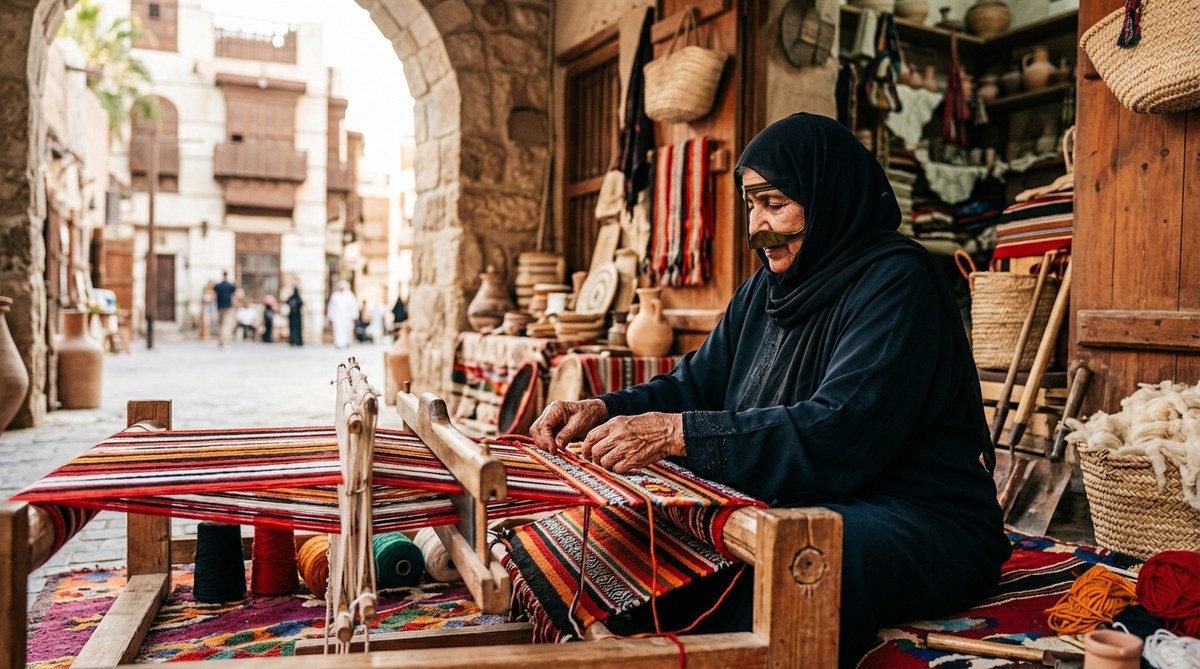
Rich history and cultural diversity weave through the fabric of Saudi Arabia. Beyond its modern skyscrapers and vast deserts, the kingdom boasts a vibrant tradition of crafts that have been passed down through generations. These crafts are not only artistic expressions but also vital links to the cultural identity of various regions. Exploring Saudi Arabia’s traditional crafts and artisans offers a glimpse into the kingdom’s soul, revealing stories of tribal life, religious influence, and regional uniqueness.
Unveiling the Heart of Saudi Craftsmanship
Saudi Arabia’s traditional crafts reflect the diversity of its landscapes and communities. From the intricate patterns of weaving to the delicate artistry of jewelry making, each craft tells a story of cultural resilience and creativity. Artisans across the kingdom continue to uphold these ancient techniques, blending tradition with modern influences to keep the heritage alive.
The Rich Tapestry of Handicrafts
Many crafts in Saudi Arabia serve functional purposes while also serving as artistic expressions. For instance, traditional weaving techniques produce vibrant textiles used in clothing and home décor. Metalwork artisans craft jewelry and decorative items that showcase geometric patterns and calligraphy. Pottery and ceramics represent a centuries-old tradition rooted in the Bedouin lifestyle, often featuring motifs inspired by desert landscapes.
The Role of Artisans in Cultural Preservation
Saudi artisans are custodians of a rich heritage. Their skills are often learned through family traditions or apprenticeships. In recent years, initiatives have emerged to support these artisans, helping them reach global markets while maintaining authenticity. These efforts ensure that the stories and techniques behind each craft endure for future generations.
Traditional Crafts in Different Saudi Regions
Different parts of Saudi Arabia are known for specific crafts, shaped by their environment and history.
Najd and Riyadh: Calligraphy and Textiles
In the central Najd region, calligraphy and textile arts flourish. Bedouin weaving produces thobes and shawls with bold geometric patterns. The art of calligraphy is deeply woven into the cultural fabric, often adorning walls, fabrics, and religious items.
Asir and the Southwest: Weaving and Embroidery
The Asir region boasts vibrant woven fabrics with bright colors and complex patterns. Women’s embroidery and weaving are integral to their cultural identity, often used during festivals and celebrations. These textiles incorporate symbols representing local stories and beliefs.
Hejaz and the West: Jewelry and Metalwork
Jeddah and Mecca, part of the Hejaz region, are renowned for jewelry and metal artisanship. Silver jewelry with intricate filigree work and gemstone inlays reflect a blend of Bedouin, Islamic, and Ottoman influences.
Eastern Province: Pottery and Ceramics
The eastern coast’s craft scene is characterized by pottery, often decorated with sea motifs. These ceramics serve both practical uses and artistic displays, highlighting the maritime influence in the region.
How To Engage With Saudi Traditional Crafts and Artisans
Engaging with Saudi crafts can be a rewarding experience. Here are some practical steps to connect with artisans and appreciate their work:
- Visit local markets and souqs: Traditional markets like Jeddah’s Souq Al Alawi or Riyadh’s Souq Al Zal often feature handcrafted goods directly from artisans.
- Participate in craft workshops: Many cultural centers and craft associations offer workshops where visitors can learn weaving, pottery, or jewelry-making firsthand.
- Support artisan cooperatives: Buying directly from cooperatives or fair-trade outlets helps artisans sustain their craft and supports local economies.
- Attend cultural festivals: Events like the Janadriyah Festival showcase regional crafts and provide opportunities to meet artisans and see their techniques.
- Research online and through travel guides: Some artisans and craft centers have online platforms, making it easier to discover authentic products and stories.
Practical Process for Appreciating and Preserving Saudi Crafts
To truly appreciate Saudi traditional crafts and artisans, consider the following steps:
- Research regional crafts: Understand the unique techniques and motifs of different areas.
- Visit artisan workshops or markets: Observe artisans at work, ask questions, and learn about their techniques.
- Buy authentic pieces: Ensure the crafts are genuine by purchasing from trusted sources or directly from artisans.
- Share the stories: When sharing your experiences, highlight the cultural significance and craftsmanship behind each piece.
- Promote awareness: Support initiatives that preserve traditional crafts through social media or word of mouth.
Techniques and Common Mistakes in Craftsmanship
| Technique | Common Mistake | How to Avoid |
|---|---|---|
| Weaving | Using synthetic fibers | Opt for natural fibers like wool, cotton, or silk |
| Metalwork | Over-polishing, losing detail | Use gentle polishing to preserve intricate designs |
| Pottery | Cracking during firing | Control kiln temperature carefully |
| Jewelry making | Using incorrect soldering methods | Use appropriate solder for each metal type |
| Embroidery | Thread tension issues | Maintain consistent tension for even stitches |
“Supporting local artisans helps preserve the cultural identity of regions and ensures these traditional crafts continue to thrive in a rapidly changing world,” advises cultural expert Dr. Amina Al-Harbi.
Why Supporting Artisans Matters
Supporting Saudi artisans goes beyond acquiring beautiful crafts. It helps sustain traditional techniques, empowers local communities, and preserves a vital part of the kingdom’s cultural heritage. Many artisans rely on these crafts as their primary income source, and engaging with their work directly contributes to cultural continuity.
Practical Tips for Travelers
- When shopping, ask about the origin and techniques used in each piece.
- Respect the cultural significance of certain symbols or motifs.
- Be patient and appreciative when artisans explain their craft.
- Look for certified or recognized craft centers to ensure authenticity.
- Share your experience to promote awareness of Saudi heritage.
Embracing the Heritage Through Modern Art
Today, many Saudi artisans blend traditional techniques with contemporary design. This fusion results in unique, modern pieces that retain cultural authenticity. Visiting galleries or exhibitions showcasing such work offers a fresh perspective on the kingdom’s artistic evolution.
Supporting Sustainable Craftsmanship
Supporting sustainable practices involves choosing crafts made with natural, eco-friendly materials and fair labor conditions. Many artisans now use recycled metals or natural dyes, aligning heritage with environmental consciousness.
Discovering the Hidden Gems of Saudi Craftsmanship
While markets in big cities are popular, some regions harbor hidden craft gems. For example, the remote villages in the Asir mountains produce textiles with distinctive patterns that are rarely found elsewhere. These hidden treasures often come with compelling stories of community and tradition.
Final Thoughts: Keeping the Spirit of Saudi Crafts Alive
Saudi Arabia’s traditional crafts and artisans embody a living cultural legacy. By understanding their techniques, supporting their work, and sharing their stories, travelers and enthusiasts can play a part in preserving this heritage. Whether purchasing a woven rug, a silver necklace, or pottery decorated with desert motifs, each item carries the spirit of the kingdom’s rich history.
Tradition and Innovation Hand in Hand
As the kingdom continues to develop its tourism and cultural sectors, integrating traditional crafts offers a meaningful way to experience Saudi Arabia’s authentic identity. Engage with artisans, learn about their techniques, and bring home a piece of this vibrant heritage. Your support helps ensure these crafts remain a vital part of Saudi Arabia’s cultural landscape for generations to come.