
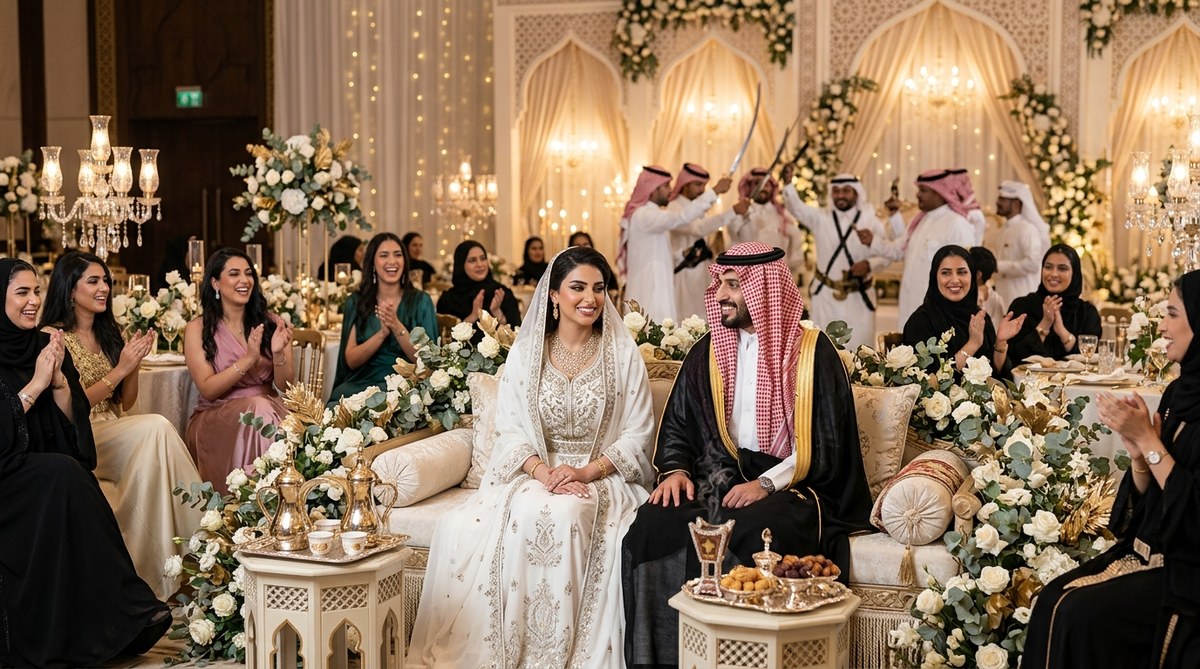
Saudi wedding celebrations are vibrant, meaningful, and deeply rooted in tradition. They are a reflection of the rich cultural heritage of Saudi Arabia, blending age-old customs with modern influences. Attending or participating in a Saudi wedding offers a fascinating glimpse into the kingdom’s social fabric, where faith, family, and community play central roles. Understanding these traditions helps visitors appreciate the significance behind each ritual and prepares them for a respectful and enjoyable experience.
The Foundations of Saudi wedding traditions
Saudi wedding traditions are not just about the ceremony itself. They are a series of customs and rituals that span weeks and involve the entire community. These customs are designed to honor family ties, religious practices, and social values. From the moment the engagement is announced to the final dance at the reception, every step is meaningful and steeped in cultural significance.
Key stages of a Saudi wedding celebration
1. The engagement and betrothal process
The wedding journey often begins with the engagement, a formal agreement between the families. Traditionally, the groom’s family presents the bride’s family with a dowry or “Mahr,” a gift that signifies the groom’s commitment. This exchange is a vital part of Saudi wedding traditions, symbolizing mutual respect and agreement. The betrothal period can last several months, during which families plan the upcoming celebration and discuss wedding arrangements.
2. Henna night or Ghumra
A few days before the wedding, the bride’s friends and family gather for the henna night, known locally as Ghumra. This event involves applying intricate henna designs on the bride’s hands and feet. It is a festive occasion filled with singing, dancing, and traditional foods. The henna night is a celebration of beauty and auspiciousness, marking the beginning of wedding festivities.
3. The wedding day or Haflat-Al-Zaffaf
The actual wedding day is the highlight of Saudi wedding traditions. It usually begins with the bride’s procession, where she is dressed in a lavish gown or multiple dresses, often decorated with gold and jewelry. The groom’s family hosts a grand celebration, often held in a specially decorated hall or outdoor venue.
On the wedding day, several rituals take place including the signing of the marriage contract or Katb Al-Kitab, which is a solemn Islamic ceremony conducted with a religious officiant. This step confirms the couple’s union legally and religiously and is often attended by close family members.
4. The Shabka or Zaffa procession
A distinctive feature of Saudi weddings is the Shabka or Zaffa, a lively procession that introduces the bride and groom to the guests. It often includes traditional music, dancers, and the bride’s escorting family members. The procession is a moment of celebration, symbolizing the bride’s transition from her family home to her new life.
5. Henna and Ghumra celebrations
In addition to the henna night, some regions hold a separate Ghumra on the wedding day itself, where the bride is adorned with more henna designs. These customs are believed to bring good luck and ward off evil spirits. The night is filled with songs, dance, and traditional desserts.
6. The wedding feast and entertainment
Saudi wedding receptions feature abundant food and entertainment. Guests enjoy traditional dishes such as Kabsa, dates, and sweets like baklava. Music performances, dancing (including the popular Ardah dance), and sometimes live bands or DJs keep the atmosphere lively. The bride’s and groom’s attire are often the centerpieces, with the bride donning a stunning gown and the groom wearing a traditional thobe with a bisht cloak for special occasions.
7. The honeymoon and post-wedding customs
After the celebration, the couple usually embarks on a honeymoon, often a private trip or a family gathering. Some families observe additional customs such as visiting relatives or giving gifts to the newlyweds.
Practical tips for attending a Saudi wedding
- Dress modestly: Women should wear long, loose-fitting dresses, and men should opt for traditional or formal attire.
- Bring a gift: Common gifts include gold jewelry, cash, or household items.
- Be respectful: Follow the lead of hosts and respect local customs, especially during religious rituals.
- Photography etiquette: Always ask permission before taking photos, particularly during religious or private moments.
Techniques and common pitfalls in understanding Saudi wedding traditions
| Technique | Mistake to Avoid |
|---|---|
| Observing cultural cues | Taking photos without permission during religious ceremonies |
| Participating respectfully | Wearing inappropriate attire that reveals too much skin |
| Listening to elders | Disregarding the significance of traditional rituals |
| Engaging with hosts | Showing impatience during lengthy ceremonies |
“Participating in a Saudi wedding is about humility and respect. Observe quietly, follow local customs, and let the celebration unfold naturally,” advises cultural expert Dr. Amina AlHabib.
Variations across regions and families
While core traditions remain consistent, regional differences influence wedding customs. For instance, in the Asir region, vibrant dances and colorful clothing play a prominent role. In the Eastern Province, seafood dishes and maritime motifs may appear more frequently. Urban areas like Riyadh and Jeddah tend to blend traditional practices with modern touches, making each wedding a unique cultural tapestry.
How modern influences shape Saudi wedding traditions
Today’s Saudi weddings often incorporate contemporary elements such as live DJ performances, elegant lighting, and fusion cuisine. Yet, the fundamental rituals like the signing of the marriage contract and henna nights stay deeply rooted in tradition. Many families aim to preserve these customs while adding personal touches to create memorable celebrations.
Final thoughts on Saudi wedding customs
Understanding the traditions behind Saudi weddings enriches your appreciation of the kingdom’s cultural landscape. Whether you are invited to a wedding or simply wish to learn, respecting these customs ensures a meaningful experience. Remember, these celebrations are more than just events—they are the embodiment of faith, family, and community bonds that have stood the test of time.
Your guide to embracing Saudi wedding traditions
If you ever find yourself at a Saudi wedding, approach it with an open mind and a respectful attitude. Participate in the festivities, enjoy the hospitality, and take the opportunity to witness firsthand how tradition and modernity come together in these joyful gatherings. By doing so, you gain a deeper understanding of Saudi Arabia’s vibrant culture and its enduring social fabric.