
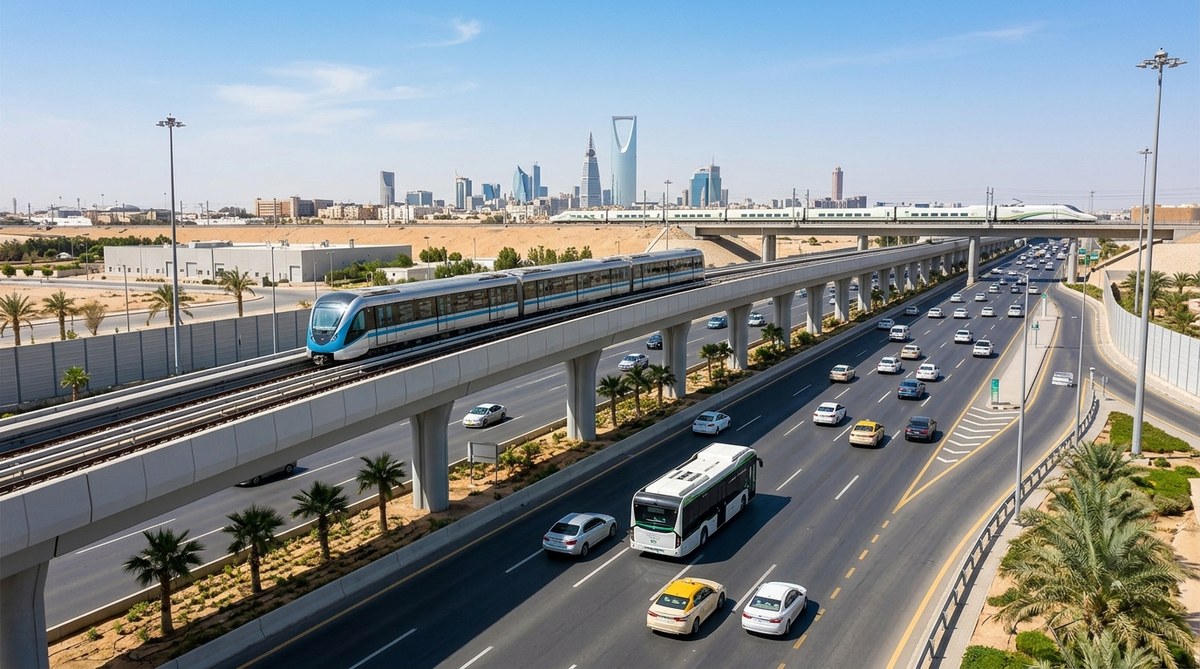
Getting around Saudi Arabia can seem challenging at first glance, especially with its vast landscapes and diverse cities. Yet, with a bit of planning, navigating the kingdom becomes straightforward and even enjoyable. From modern metro systems in Riyadh to scenic drives along the Red Sea, Saudi Arabia offers a range of options suited for every traveler. Whether you prefer public transit, renting a car, or hopping between cities via domestic flights, this guide will help you master transportation in Saudi Arabia for a smooth journey.
Saudi Arabia’s transportation options are diverse and efficient. From urban metros and buses to car rentals and flights, travelers can navigate the kingdom comfortably. Planning ahead and understanding local norms ensure a smooth experience, whether exploring cities or venturing into scenic regions.
Understanding the main transportation options in Saudi Arabia
Saudi Arabia has developed a comprehensive transport network to accommodate its growing tourism and expatriate communities. Major cities like Riyadh, Jeddah, and Dammam feature modern public transit systems, while long-distance travel is supported by well-connected flights and roads. Here’s an overview of the primary transportation methods available:
- Public transportation including metro, buses, and trains
- Ride-hailing and taxis for short trips within cities
- Car rentals for flexibility and adventure
- Domestic flights connecting major cities
- Private transfers and shuttles for specific destinations
Knowing how these options work and when to use them makes your journey more enjoyable and less stressful.
Urban transportation systems in Saudi Arabia
Riyadh: The city that’s rapidly modernizing
Riyadh’s metro system is the kingdom’s crown jewel. Launched to reduce traffic and pollution, the Riyadh Metro features six lines spanning over 176 kilometers. It’s a convenient way to get across the city during peak hours.
- Fares and tickets: You can purchase a rechargeable card at stations or use contactless payment options.
- Schedules: The metro runs from early morning until late evening, with trains arriving every few minutes.
- Buses: The Riyadh Bus Network complements the metro, covering many neighborhoods and key attractions.
Jeddah and Makkah: Buses and the Haramain train
Jeddah’s city buses serve as an affordable way to navigate the city. They connect major commercial areas, beaches, and the historic district of Al-Balad. For intercity travel, the Haramain high-speed train links Makkah and Madinah with Jeddah and King Abdullah Economic City.
- Haramain train: Speeds through the desert at over 300 kilometers per hour, making it ideal for pilgrims and travelers moving between the holy cities.
- Tickets: Can be bought online or at stations, with discounts available for students and seniors.
Makkah and Madinah: Religious hub transportation
Besides rail, both cities have extensive bus networks. Taxis and ride-hailing services like Uber and Careem operate widely, especially for pilgrims visiting religious sites.
“Using the train system between Makkah and Madinah saves time and provides a comfortable journey, especially during peak pilgrimage seasons,” advises travel expert Sarah.
Road travel and car rentals
Renting a car in Saudi Arabia
For those seeking flexibility, renting a car offers independence and the chance to explore off-the-beaten-path destinations. Major international brands operate in cities like Riyadh, Jeddah, and Dammam.
Practical steps to rent a car:
- Book in advance online through trusted providers.
- Bring your driver’s license and check if an international license is required.
- Understand local driving norms: Drive on the right, and be aware that seat belts are mandatory.
- Plan your routes carefully, especially when venturing into rural or desert areas.
Navigating the roads
Roads in Saudi Arabia are well-maintained, with signage in both Arabic and English. Long-distance drives between major cities are common, with scenic routes along the Red Sea or through mountain ranges.
- Mistake to avoid: Rushing without checking fuel stations along the route can lead to unnecessary delays.
- Expert tip: Use GPS apps like Google Maps or Waze for real-time traffic updates.
Tips for safe driving
| Technique | Mistake to Avoid |
|---|---|
| Keep to speed limits | Ignoring local speed signs |
| Use seat belts | Forgetting to buckle up |
| Plan fuel stops | Running low on fuel in remote areas |
Domestic flights for faster travel
Long-distance travel in Saudi Arabia often involves flights. Airlines such as Saudia, flynas, and Flyadeal operate frequent routes connecting Riyadh, Jeddah, Dammam, and other cities.
Booking tips
- Book tickets early to secure better prices.
- Check baggage allowances and onboard amenities.
- Consider flying during off-peak hours to avoid delays.
When to fly
Flights are ideal when time is limited or when traveling to regions less accessible by road or rail. For example, flying from Riyadh to NEOM or Tabuk saves hours compared to driving.
Ride-hailing services and taxis
Uber and Careem are popular for short trips within cities. They are reliable, safe, and convenient, especially if you don’t speak Arabic.
- Hailing a ride: Use the apps to request a pickup point.
- Pricing: Fair and transparent; fares vary based on distance and time.
- Tips: Confirm your driver’s details before entering the vehicle.
Practical steps to plan your transportation
- Identify your main destinations and choose the most suitable transportation modes.
- Book tickets or rentals in advance during busy periods like Ramadan or Hajj season.
- Download relevant apps like Careem, Uber, or the Saudi Railways app for seamless booking.
- Map out routes and consider local customs and road norms.
- Stay flexible and have backup options, especially when venturing outside major cities.
Common transportation mistakes and how to avoid them
| Technique | Mistake to Avoid |
|---|---|
| Overlooking local norms | Assuming driving styles are the same as home |
| Not booking tickets early | Facing sold-out trains or flights |
| Ignoring road signs | Getting lost or stuck in unfamiliar areas |
| Relying solely on cash | Using apps that accept digital payments |
Expert advice for smooth travel
“Always carry a copy of your driver’s license and ID. Be patient and respectful of local customs, especially when using public transport or dealing with taxi drivers,” recommends travel consultant Ahmed.
Regions and scenic routes to consider
Beyond city transportation, Saudi Arabia offers breathtaking scenery accessible by car. Driving along the Red Sea coast reveals coral reefs and beaches. Mountain routes in Asir or Al-Baha provide cooler air and lush landscapes.
Practical process for regional travel:
- Rent a vehicle for flexibility.
- Plan your route with GPS and local maps.
- Book accommodations in advance for remote stops.
- Check weather conditions before heading into mountains or deserts.
Navigating the transportation landscape confidently
Mastering transportation in Saudi Arabia involves understanding the various options and choosing what fits your itinerary. Whether hopping on a metro, booking a flight, or hitting the road in a rental car, planning ahead ensures a hassle-free experience. Keep safety in mind and respect local customs at all times.
Final thoughts on moving confidently through Saudi Arabia
Getting around the kingdom is simpler than it might seem. With efficient transit systems, reliable taxis, and scenic drives, you can comfortably explore everything from bustling urban centers to serene coastal towns. Remember to stay flexible, plan your routes, and embrace the adventure of discovering Saudi Arabia’s diverse landscapes. Your journey becomes enriching when you approach it with awareness and a sense of curiosity.
Happy travels, and may your transportation choices lead you to unforgettable moments in Saudi Arabia!