
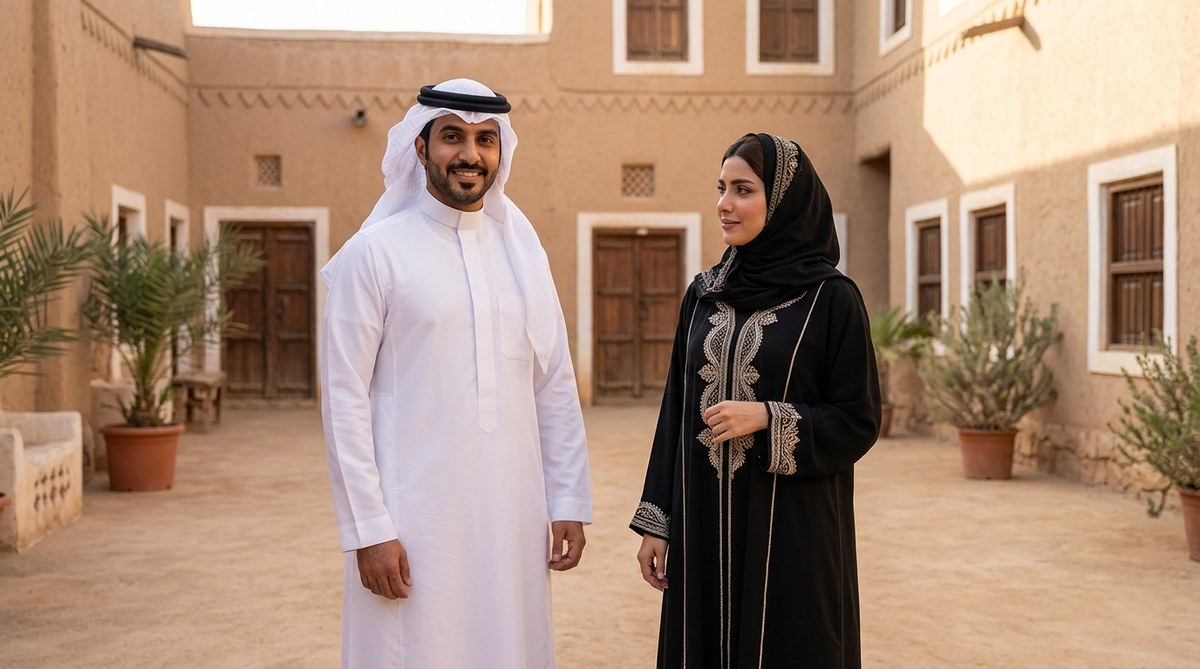
Saudi Arabia’s traditional attire is more than just clothing. It embodies the nation’s history, regional identities, and cultural values. For visitors and enthusiasts alike, understanding these garments offers a deeper appreciation of Saudi Arabia’s rich heritage. From the flowing thobes to intricately patterned abayas, each piece tells a story of craftsmanship, modesty, and regional pride. This guide will walk you through the significance of Saudi traditional attire and how it continues to shape the country’s cultural landscape today.
Saudi traditional attire reflects regional identities, cultural values, and craftsmanship. It remains vital today, symbolizing pride, modesty, and heritage across the kingdom.
The Roots of Saudi Traditional Attire
Saudi Arabian clothing is deeply rooted in the country’s history and environment. For centuries, the climate, tribal customs, and social norms shaped the garments worn by men and women. The clothing served functional purposes like protection from the sun and sand while also expressing cultural identity. Over time, these garments evolved, blending tradition with modern influences, but their cultural significance remains intact. Today, traditional attire continues to be worn during festivals, religious events, and special occasions, serving as a symbol of national pride and cultural continuity.
Key Components of Saudi Traditional Clothing
Men’s Attire and Its Significance
Saudi men’s traditional clothing generally includes the thobe (also called dishdasha or kandura), a long white robe that signifies modesty and simplicity. The ghutra (headscarf), held in place by the agal (black cord), is another prominent element. The style, color, and way of wearing these garments can vary by region, reflecting local customs.
- Thobe: Usually made of cotton or wool, the thobe is designed for the hot climate. Its loose fit provides comfort and ventilation. In colder regions or during winter, thicker fabrics are used.
- Ghutra and Shemagh: The headscarf protects against the sun and dust. The white ghutra is common in many regions, while the red and white shemagh is popular in the northern and central areas.
- Agal: This black cord secures the headscarf and is a symbol of dignity and tradition.
Women’s Attire and Its Cultural Layers
Saudi women’s traditional clothing emphasizes modesty, often covering most of the body. The abaya, a loose-fitting black cloak, is the most recognizable garment. Underneath, women wear long dresses or diroor with intricate embroidery or embellishments depending on regional styles.
- Abaya: It varies from simple to highly ornate, often reflecting personal or regional tastes.
- Niqaab and Shayla: Some women choose to wear a face covering, especially in more conservative areas, while others opt for lighter coverings.
- Decorative Elements: Embroidery, beads, and metallic accents are common, showcasing local craftsmanship and adding cultural richness.
Regional Variations and Their Cultural Significance
Saudi Arabia’s vast geography means traditional attire varies across regions, each with its own unique style and symbolism.
- Najd (Central Region): Men’s thobes tend to be longer and more embroidered, with distinctive patterns. Women often wear colorful abayas with decorative embroidery.
- Hejaz (Western Region): Influenced by historical trade routes, featuring more elaborate embroidery and accessories. Women’s clothing may include floral patterns.
- Eastern Province: The attire often incorporates elements reflecting Arab Gulf styles, with men’s headscarves sometimes decorated with gold threads.
- Southern Regions: Known for vibrant colors and detailed embroidery, reflecting tribal identities.
- Northern Areas: Use of heavier fabrics suited for cooler climates, with distinctive headwear styles.
Craftsmanship and Materials
The making of traditional Saudi attire involves skilled craftsmanship, with regional techniques passed down through generations. The choice of materials like cotton, wool, silk, and even camel hair reflects environmental adaptation. Embroidery techniques often feature geometric and floral patterns, symbolizing regional stories and tribal affiliations.
“The garments worn in Saudi Arabia are not just clothing but a canvas of history and identity, woven with stories of tribes, landscapes, and traditions,” notes Dr. Amina Al-Farsi, cultural historian.
Techniques and Common Mistakes
| Technique | Description | Common Mistake |
|---|---|---|
| Hand embroidery | Intricate stitching often depicting cultural motifs | Overly tight stitches causing fabric damage |
| Dyeing | Natural and chemical dyes used for vibrant colors | Fading due to improper washing |
| Fabric selection | Choosing breathable, climate-appropriate textiles | Using heavy fabrics in hot climates |
Modern Adaptations and Fashion
While traditional attire remains significant, contemporary fashion influences are blending into Saudi clothing. Designers incorporate traditional motifs into modern garments, and some men and women wear hybrid styles during festivals and social events. The rise of boutique brands focuses on preserving craftsmanship while appealing to global tastes.
Practical Process for Respectful Dressing as a Visitor
- Research regional styles: Understand the local variations before visiting.
- Choose modest attire: Opt for loose, breathable fabrics that align with cultural norms.
- Respect special occasions: During festivals or religious events, wearing traditional dress shows appreciation and respect for local customs.
Important Tips
- Women should consider wearing an abaya when visiting religious sites or conservative areas.
- Men should wear long-sleeved shirts and trousers in cultural or religious settings.
- Avoid tight or revealing clothing to honor local standards.
The Cultural Significance of Saudi Attire Today
Saudi traditional attire remains a powerful symbol of cultural identity and pride. It signifies respect during religious and social occasions and demonstrates regional affiliations. For many Saudis, clothing is a way of honoring ancestors and showcasing craftsmanship. For visitors, understanding and embracing these garments offers a respectful and authentic experience.
“Wearing traditional attire during your visit can open doors to deeper cultural interactions and understanding,” advises cultural expert Omar Al-Harbi.
Navigating the Evolving Saudi Fashion Scene
Today, the Saudi fashion scene is vibrant and diverse. While traditional garments are preserved, younger generations are exploring innovative designs that blend heritage with contemporary styles. Fashion shows, cultural festivals, and boutique stores highlight the ongoing dialogue between tradition and modernity.
Final Thoughts: Respect, Appreciation, and Connection
Learning about Saudi traditional attire and its cultural significance enriches your visit and fosters respectful understanding. Appreciating the artistry and symbolism behind each garment connects you more deeply to the country’s heritage. When visiting Saudi Arabia, dressing thoughtfully and respectfully is a meaningful way to honor its traditions and build genuine connections with locals. Embrace the opportunity to see clothing not just as fabric but as a vibrant expression of history, pride, and identity.
This knowledge equips you to appreciate and respect Saudi Arabia’s rich cultural tapestry. Whether attending a festival, visiting a historic site, or simply engaging with locals, your understanding of traditional attire will add depth to your experience. Wearing or admiring these garments can serve as a bridge, connecting you to the soul of the kingdom.