
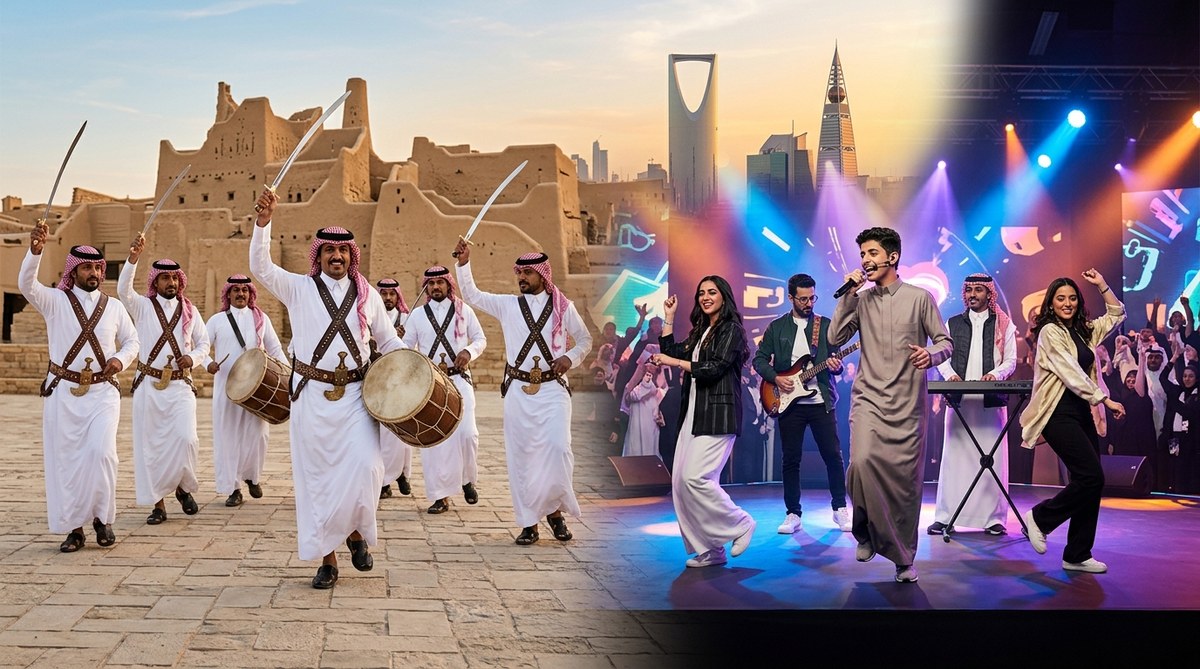
Saudi music and dance are more than just entertainment; they are vital expressions of Saudi Arabia’s rich cultural heritage. Over centuries, these art forms have evolved, blending tradition with modern influences to reflect the Kingdom’s dynamic identity. Whether it’s the rhythmic pounding of drums during a traditional Ardah or the catchy beats of modern Saudi pop, each style tells a story of history, community, and change. Understanding this musical journey offers insights into the soul of Saudi Arabia and its people.
Saudi music and dance showcase a deep cultural history that continues to evolve today. From traditional forms like Ardah to modern Saudi pop, these arts reflect the kingdom’s rich heritage and contemporary spirit, offering a lively window into its cultural landscape.
The roots of Saudi music and dance
Saudi music and dance have origins that trace back thousands of years. Historically, they served communal and spiritual purposes. Songs and rhythms accompanied important events like weddings, harvests, and religious festivals. The central role of music in Saudi life is evident through the various regional styles that developed across the kingdom.
Traditional Saudi music often features instruments like the oud (a stringed instrument), rababa (a bowed instrument), and drums like the tabl. These sounds create melodies that are both lively and soulful, resonating with the rhythms of daily life. Dance, likewise, was an integral part of social gatherings, with forms such as Ardah, which combines poetry, drumming, and synchronized movement.
The significance of Ardah
Ardah is perhaps the most iconic Saudi dance. It involves men marching in unison, wielding swords or sticks, while singing poetic verses. This dance is performed during national celebrations, cultural festivals, and other important occasions. Its rhythmic pattern and poetic lyrics symbolize strength, unity, and pride.
The origins of Ardah are believed to date back to pre-Islamic times, serving as a display of bravery and community cohesion. Over time, it has become a symbol of Saudi identity, appreciated for its vibrant movements and historical significance.
The evolution of Saudi music through the ages
Over the 20th century, Saudi music experienced significant transformations. The influence of neighboring regions, as well as the advent of modern technology, propelled new styles and formats.
In rural areas, traditional music remained dominant, preserving ancient melodies and instruments. Urban centers like Riyadh and Jeddah, however, began to embrace Western musical elements, leading to the emergence of new genres. Radio and television helped popularize these sounds, creating a bridge between traditional and contemporary music.
The emergence of modern Saudi pop
In recent decades, Saudi pop music has gained popularity among young audiences. Artists like Tamtam, Abdulmohsen Alkhamees, and others are blending traditional motifs with modern beats and production techniques. These musicians often incorporate traditional instruments into their compositions, creating a fusion that respects heritage while appealing to modern tastes.
This genre reflects societal shifts, such as increased openness and cultural exchange. It also plays a role in shaping Saudi Arabia’s global cultural image, especially with the kingdom opening up to international tourism.
Dancing in the modern Saudi scene
Dance remains a vibrant part of Saudi culture. While Ardah continues to be performed during cultural events, modern dance forms and music videos now serve as outlets for expression among youth. Social media platforms have amplified the reach of Saudi dance, showcasing everything from traditional performances to contemporary choreography.
How traditional dance influences new styles
Many young artists and choreographers take inspiration from Ardah and other regional dances. They incorporate elements such as rhythmic clapping, poetic recitations, and synchronized movements into their routines. This helps keep the traditional spirit alive amid modern innovations.
The role of music festivals and events
Saudi Arabia’s music festivals now feature a mix of traditional and contemporary acts. Events like the MDLBEAST Soundstorm in Riyadh highlight the kingdom’s musical diversity. These festivals serve as platforms for artists to experiment and collaborate, blending genres and styles.
Techniques and pitfalls in practicing Saudi music and dance
If you’re interested in learning about Saudi music and dance, here are some practical steps:
- Start with traditional forms: Attend cultural festivals or watch online videos of Ardah performances. Pay attention to rhythm, lyrics, and movements.
- Learn the instruments: Instruments like the darbuka or oud can help you understand the musical foundation.
- Practice with others: Join local cultural groups or online communities to practice traditional songs and dances.
Common techniques and mistakes table
| Technique | Mistake | Solution |
|---|---|---|
| Synchronizing movements | Moving out of step | Practice with a group or mirror to align timing |
| Using traditional instruments | Playing too fast or slow | Follow tutorials and listen to authentic recordings |
| Singing poetic verses | Mispronouncing words | Learn proper pronunciation from native speakers |
“Respect for the cultural roots of Saudi music is essential. Whether you’re dancing Ardah or singing a modern tune, understanding the history enriches your experience.” – Saudi music historian
How to appreciate Saudi music and dance as a visitor
To truly enjoy Saudi music and dance, consider the following:
- Attend local festivals and cultural events. These gatherings offer authentic performances.
- Listen to regional styles from different parts of the kingdom. Each area has its unique sound.
- Support local artists. Many are sharing their work on social media and streaming platforms.
- Respect traditional customs. When participating in dance, observe proper etiquette.
Practical tips for travelers
- Dress modestly if participating in or viewing performances.
- Learn a few Arabic phrases related to music and dance to connect with locals.
- Visit cultural centers or museums dedicated to Saudi arts for deeper insight.
The future of Saudi music and dance
Saudi Arabia continues to foster a vibrant arts scene. Government initiatives and private investments support new talent and cultural projects. Young musicians and dancers are pushing boundaries, creating innovative styles that honor tradition while embracing change.
The kingdom’s commitment to cultural preservation and innovation ensures that Saudi music and dance will remain vital parts of national identity. As tourism expands, visitors will have even more opportunities to experience this lively cultural tapestry firsthand.
Learning and celebrating Saudi rhythm and movement
Whether you are a visitor, student, or enthusiast, immersing yourself in Saudi music and dance opens a window into the kingdom’s heart. From the spirited beats of Ardah to the catchy tunes of modern pop, each form embodies a rich history and a forward-looking spirit. Embrace these traditions by attending local events, practicing with community groups, or simply listening to the sounds that define Saudi Arabia.
Remember, engaging with Saudi music and dance is more than just watching or listening—it’s about understanding and respecting a culture that has thrived for centuries. So, gather your curiosity and passion, and let the rhythms of Saudi Arabia inspire your journey.