
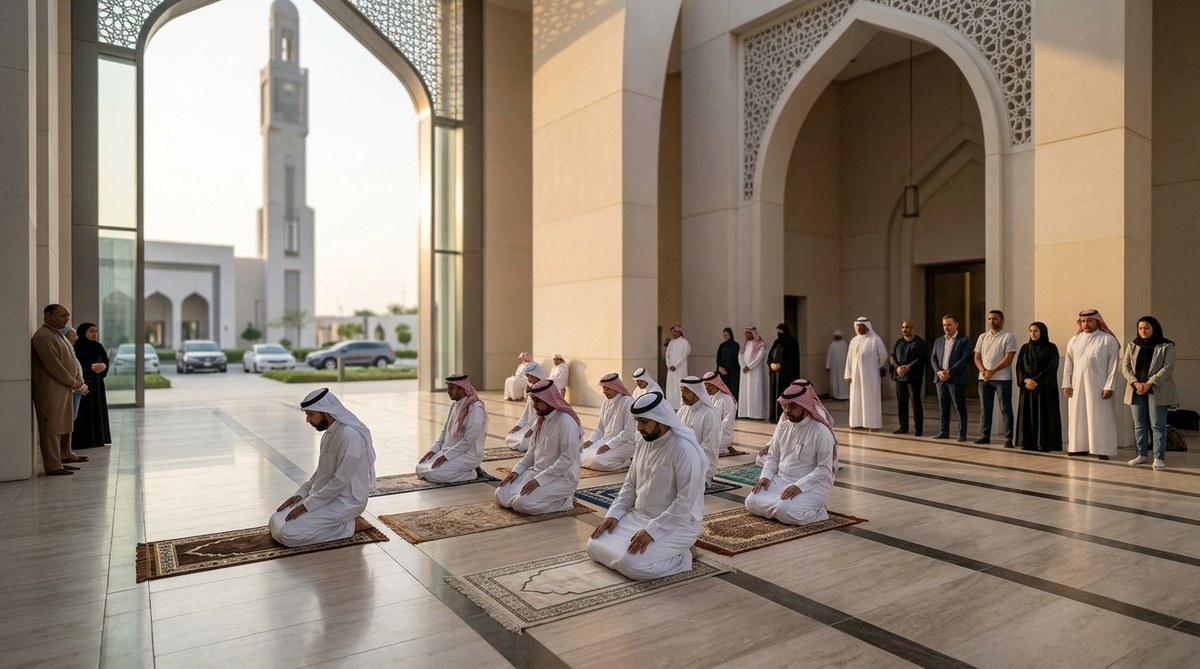
Looking to visit Saudi Arabia and want to understand how prayer times fit into your daily plans? Knowing the schedule of the five daily prayers is essential for respecting local customs, planning sightseeing, and making your trip smoother. Saudi Arabia’s religious rhythm influences everything from business hours to public life. By getting familiar with prayer times, you can experience the culture more deeply and avoid unintentional breaches of etiquette. This guide will walk you through the ins and outs of Saudi prayer times, how they are calculated, and practical tips to make your journey more comfortable.
Saudi prayer times guide travelers through the daily rhythm of Islamic worship, explaining how timings are determined, what to expect, and how to plan your activities around these sacred moments for a respectful and enriching experience in Saudi Arabia.
The significance of prayer times in Saudi Arabia
Islam influences daily life in Saudi Arabia profoundly. Prayer times are not just religious obligations but also a cultural rhythm that shapes the day. During prayer windows, many shops close briefly, traffic slows, and mosques come alive with worshippers. As a visitor, understanding these schedules helps you align your activities seamlessly. Whether you’re visiting historic sites, dining out, or attending events, knowing when prayers occur ensures you respect local customs and enjoy your trip without stress.
How prayer times are determined in Saudi Arabia
Prayer times are not arbitrary. They are based on the position of the sun, which varies throughout the year. Islamic scholars have developed precise methods to calculate these timings. Saudi authorities utilize astronomical data and traditional methods to set official prayer schedules.
Methods used in Saudi Arabia
- Sun position calculations: The primary method involves tracking the sun’s altitude during the day.
- Standardized timings: The Saudi General Authority of Meteorology and Environment Protection provides official schedules, often displayed in mosques and public spaces.
- Regional variations: Different cities may have slightly different timings based on their geographic location, but the differences are minimal.
Seasonal changes in prayer times
In summer, prayer windows are earlier or later depending on the region. For instance, Fajr (dawn prayer) might start very early in Jeddah during June, while Dhuhr (noon prayer) shifts slightly throughout the year. During winter, the timings are more compressed, making planning easier. It’s advisable to check a reliable Saudi prayer times guide regularly, especially if you’re traveling across regions.
Understanding the five daily prayers
Each of these prayers has a specific window and significance. They punctuate the day and help maintain mindfulness and discipline.
- Fajr: Dawn prayer performed before sunrise.
- Dhuhr: Midday prayer right after the sun passes its zenith.
- Asr: Afternoon prayer, usually in the late afternoon.
- Maghrib: Sunset prayer, right after the sun dips below the horizon.
- Isha: Night prayer, after twilight disappears.
Practical steps for travelers
Here’s a simple process to ensure you observe prayer times effectively during your visit:
- Research and download a reliable prayer times app that covers Saudi Arabia. Many apps automatically adjust for your location and season.
- Check the official schedules provided by local mosques or Saudi tourism websites to verify timings.
- Plan your day around prayer windows. For instance, schedule sightseeing or meals to avoid conflicts with prayer times.
- Use reminders. Set alarms or notifications for each prayer to stay on track.
- Respect local customs. When in public, if you’re near a mosque during prayer times, observe from a respectful distance.
Common mistakes and how to avoid them
| Mistake | How to fix it | Why it matters |
|---|---|---|
| Relying solely on generic prayer times apps | Cross-check with official Saudi schedules | Ensures accuracy, especially during seasonal changes |
| Missing the Maghrib prayer | Use sunset alarms or check local sunset times | Missing prayers can offend local sensibilities |
| Not understanding regional differences | Confirm city-specific timings | Prevents confusion when traveling across regions |
| Planning activities during prayer windows | Schedule around prayer times | Shows cultural respect and prevents disruptions |
“Understanding and observing prayer times is a sign of respect in Saudi Arabia. It enhances your travel experience and helps you connect with the local way of life.” — Local guide
Tips for travelers to navigate prayer times smoothly
- Always have a prayer schedule app on hand. Many popular options include IslamicFinder and Muslim Pro.
- When visiting malls or public spaces, look for prayer rooms. Most large venues provide dedicated spaces for worship.
- Respect prayer times by refraining from loud activities or inappropriate behavior during these moments.
- If you’re staying in a hotel, ask the staff about prayer timings. Many hotels offer prayer mats and directions to nearby mosques.
- For those attending the Holy Mosques in Mecca or Medina, prayer times are prominently announced and synchronized with the local schedule.
How to incorporate prayer times into your travel plans
- Identify key prayer windows each day. Use apps or local schedules to know exact times.
- Adjust your itinerary accordingly. For instance, plan outdoor visits around Dhuhr or Asr, or schedule meals after Maghrib.
- Attend a local mosque for a cultural experience, especially during Jumu’ah (Friday prayer), which is a congregational event.
- Respect prayer etiquette. Cover your shoulders and knees when entering mosques, and remove your shoes before prayer.
- Stay flexible. Prayer times change daily, so adapt your schedule to stay aligned.
Common misconceptions about prayer times
| Technique | Mistake | Correct approach | Why it matters |
|---|---|---|---|
| Using fixed prayer times year-round | Assuming times don’t change | Always verify current timings | Ensures you pray at the correct moment |
| Ignoring regional differences | Assuming all cities share the same schedule | Check city-specific times | Prevents missing or rushing prayers |
| Overlooking seasonal shifts | Not adjusting for summer/winter | Use seasonal schedules | Keeps your worship consistent |
The beauty of praying in Saudi Arabia
Praying in Saudi Arabia offers a spiritual connection that’s hard to match elsewhere. The sight of mosques bustling with worshippers, especially at sunrise and sunset, creates a profound atmosphere. Many visitors find that aligning their schedule with prayer times deepens their understanding of the culture and enhances their experience of the country’s religious heritage.
Keeping the rhythm during your journey
Traveling in Saudi Arabia requires a blend of flexibility and respect. By understanding how prayer times are determined and planning accordingly, you can enjoy your trip without missing out on this vital aspect of local life. Remember, a little preparation goes a long way. Whether you’re exploring ancient ruins, shopping in souqs, or relaxing in a desert retreat, aligning your day with prayer windows keeps you connected to the local rhythm.
Wishing you a smooth and meaningful journey through Saudi Arabia’s vibrant landscapes and spiritual traditions. Keep this guide handy, stay adaptable, and immerse yourself fully in the rich culture that this remarkable country offers.